A Historically Grounded Depiction of the Legendary Destroyer Yukikaze
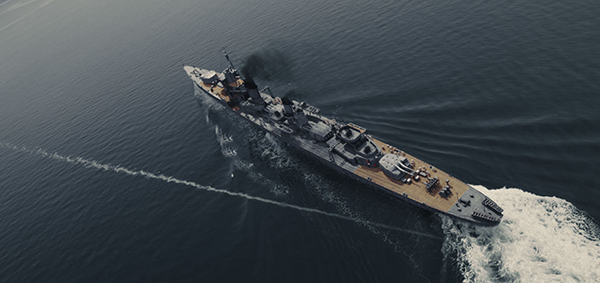
Destroyer Yukikaze evading enemy torpedoes
Astonishingly, throughout its extensive wartime service, Yukikaze lost only nine crew members. The film offers a realistic, historically grounded depiction of how the ship and its crew survived against overwhelming odds and saved many lives.
The destroyer was commanded by ten different captains during its service. The film’s central figure, Captain Terasawa, is a fictional composite drawn from these real commanders. One of the film’s standout scenes shows Terasawa evading incoming torpedoes using only a set square—a reference to the unconventional but effective tactics of Lieutenant Commander Masamichi Terauchi, the ship’s fourth commanding officer. Terauchi was known for emerging from the conning tower with just a steel helmet, visually measuring enemy range with a set square, and directing the helmsman—sometimes by tapping him with his foot. Under such bold leadership, crew morale remained exceptionally high.
Such feats may strain belief, but they underscore the Japanese spirit of combining skill, intuition, and physical endurance—a distinctive form of leadership grounded in discipline and humanity.
The film also highlights the warm, unassuming camaraderie between crew members during their brief moments of rest. These understated scenes of everyday life aboard the ship are deeply moving, reminding audiences of the ordinary men—sons, brothers, neighbors—who found themselves on the front lines of war.
Vice Admiral Seiichi Itō, Commander of the IJN Second Fleet, who opposed the reckless Yamato surface special attack mission
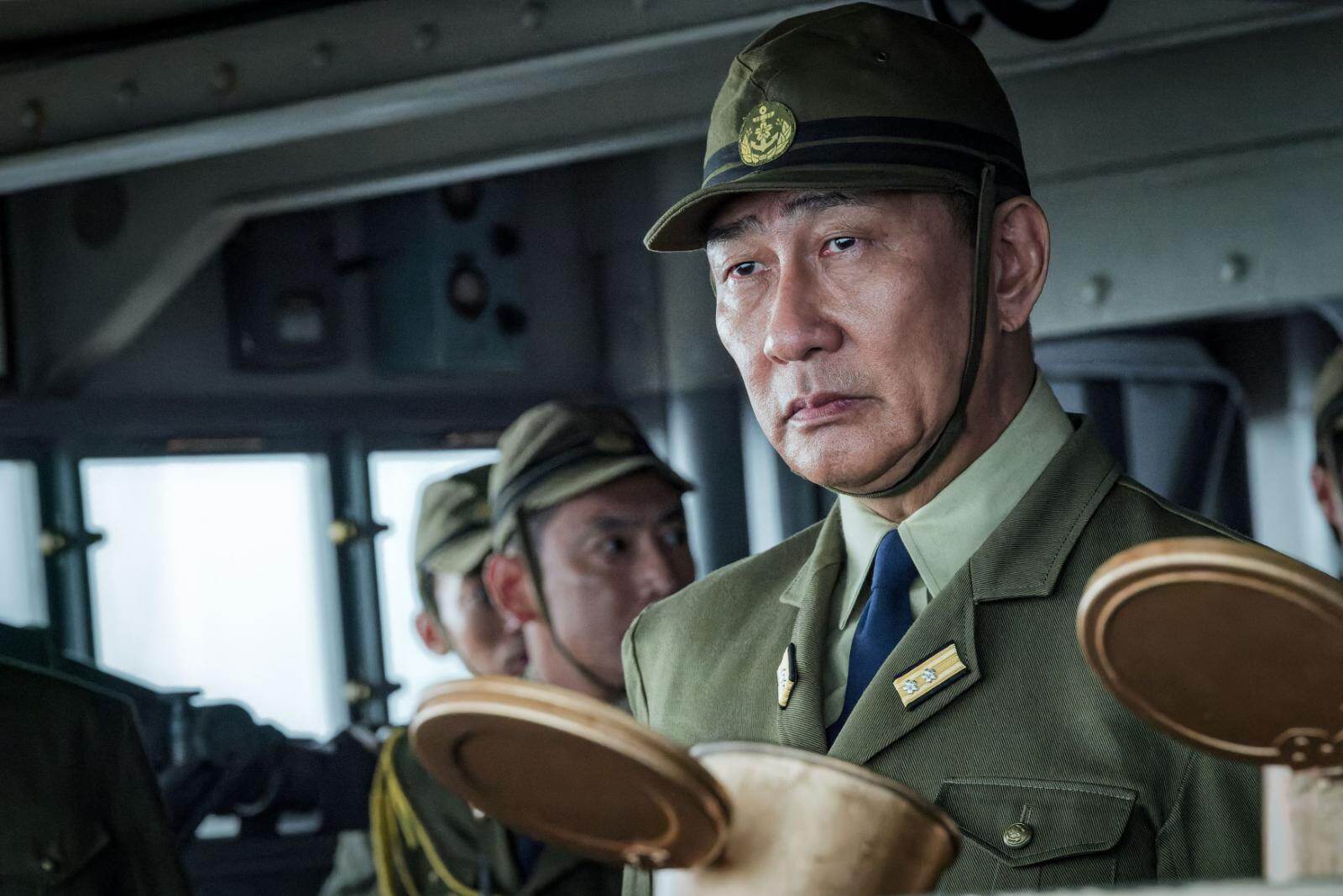
Vice Admiral Seiichi Itō, Commander of the IJN Second Fleet
Vice Admiral Seiichi Itō (portrayed by Kiichi Nakai), commander of the IJN’s Second Fleet, initially opposed the Yamato’s suicide mission to Okinawa, recognizing it as a hopeless endeavor. Yet, bound by orders, he ultimately led the fleet into Operation Ten-Go.
However, during the mission, Itō made a fateful decision: he called off the operation based on his own judgment of the deteriorating battle conditions. It was the only known instance in which a frontline IJN fleet commander independently aborted a mission without orders from Combined Fleet Command—a rare and courageous act.
Before ordering many of the younger crew members to abandon ship, he reportedly said: “The future of this country will need the strength of the young.” Even in the war’s final days, he acted to preserve life.
A Time to Reconsider the Value of the “Ordinary”
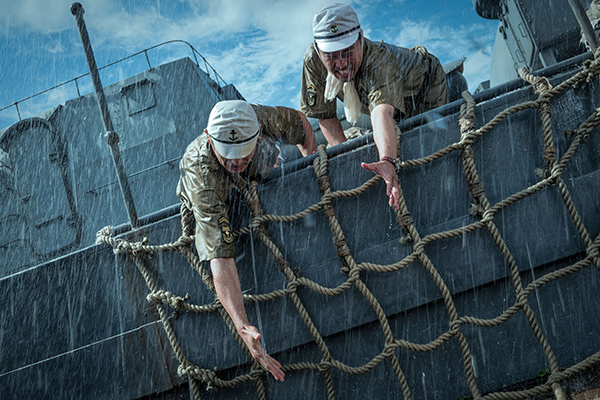
The crew of Yukikaze, who continued to save the lives of many comrades during wartime
As we live in the peace that was secured at the cost of so many lives, the question arises: can we truly take pride in the world we have built since then?
Modern Japanese society faces growing inequality, emotional isolation, and social division. Eighty years after the war, we must ask: are we, once again, following the path of national ruin laid by reckless wartime leadership? Are we capable of protecting the vulnerable, like Yukikaze did? Are we brave enough to make independent, moral decisions like Vice Admiral Itō?
YUKIKAZE compels its audience to consider these questions.
One of Captain Terasawa’s most poignant lines resonates long after the film ends: “Ordinary is enough.” In a time when the simplest peace was an impossible dream, we are reminded that the mundane, everyday life we take for granted is in fact a miracle.
Film Overview – YUKIKAZE
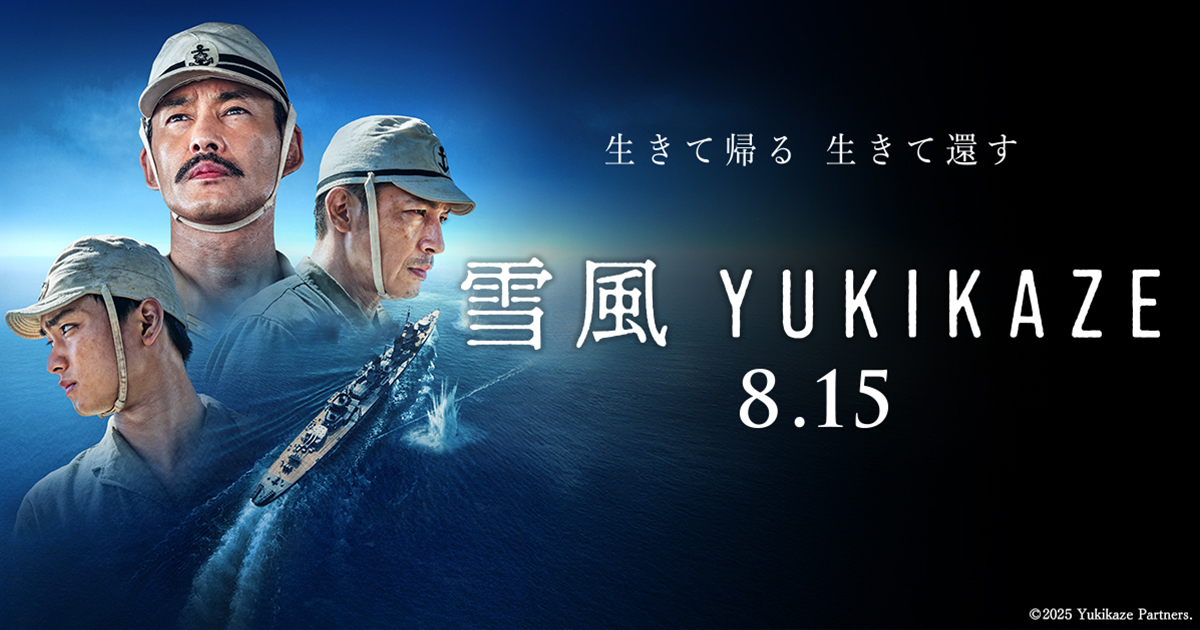
Just eighty years ago, peaceful seas were a battlefield. Amid unrelenting combat, there was one destroyer that never failed to return to Japan, always bringing its crew home. That ship was Yukikaze, later revered as the “lucky ship” of the Imperial Japanese Navy.
With unmatched mobility, Yukikaze took the lead in torpedo attacks, escorted major vessels, transported troops and supplies, supported amphibious landings, and rescued crews from sinking ships. After the war, it served as a repatriation vessel, bringing home over 13,000 Japanese personnel. Against the backdrop of historical events, YUKIKAZE is an epic that traverses war, postwar recovery, and the present—telling the story of those who survived and shaped a nation.
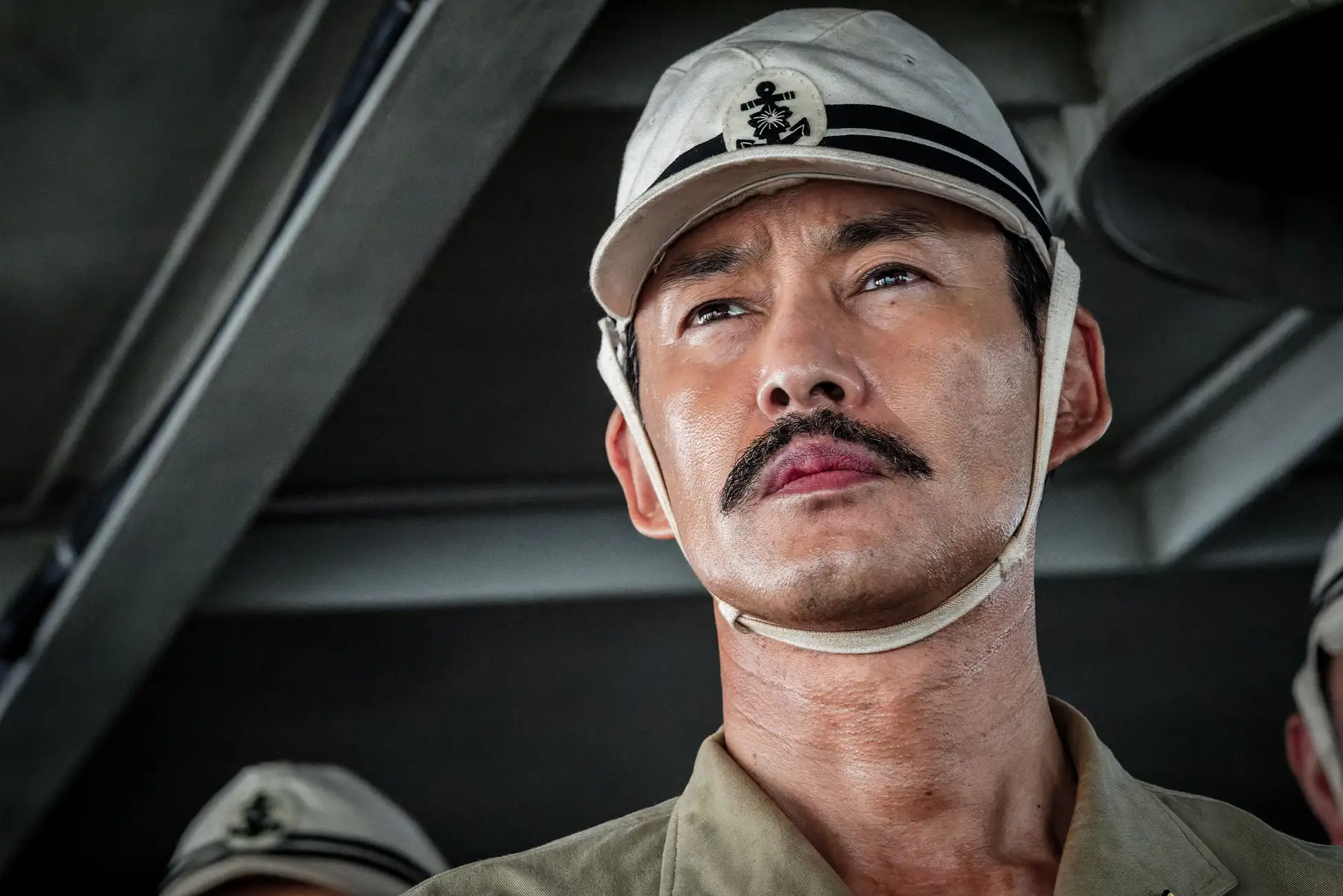
Yutaka Takenouchi as Captain Kazutoshi Terasawa
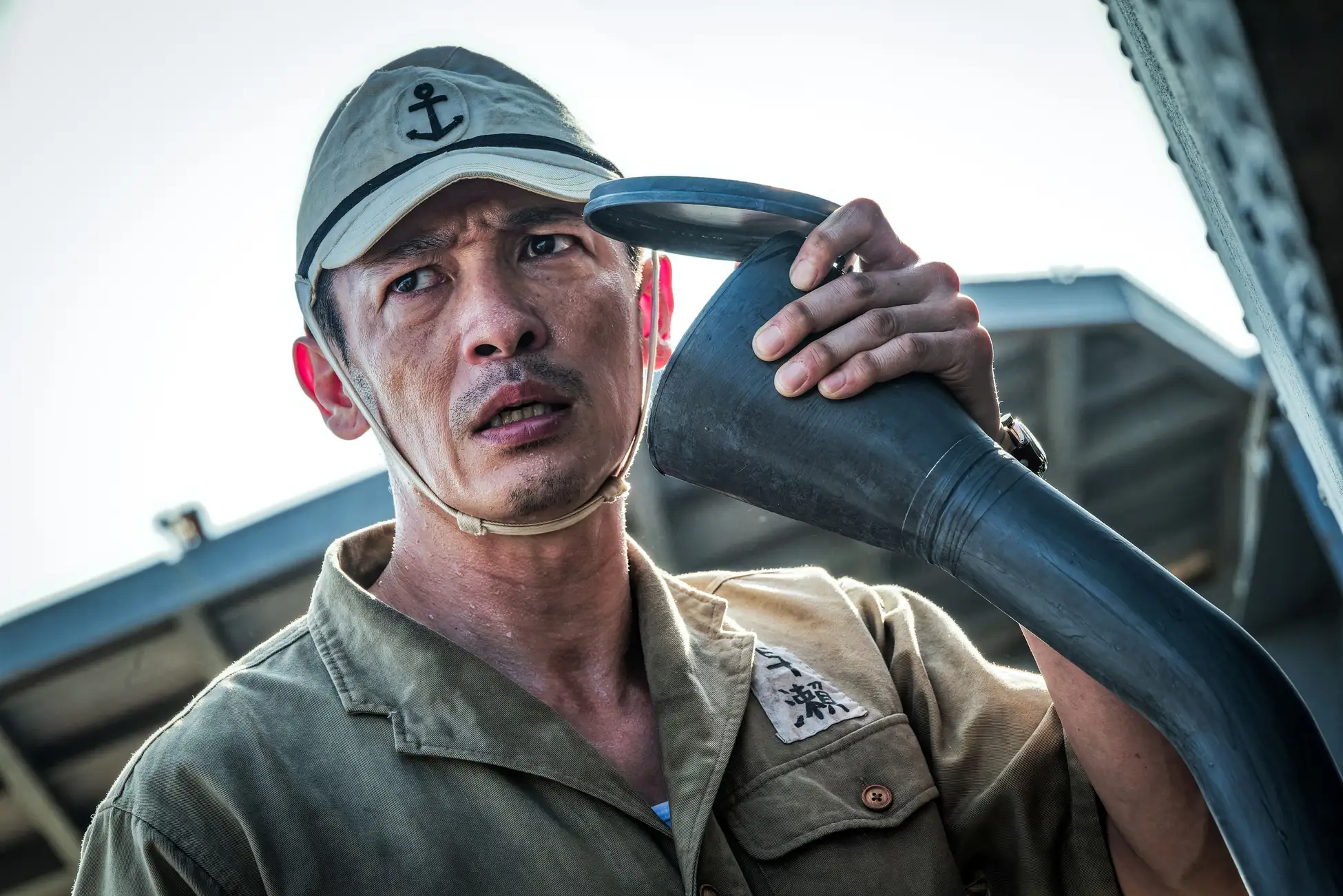
Hiroshi Tamaki as Petty Officer First Class Kohei Hayase
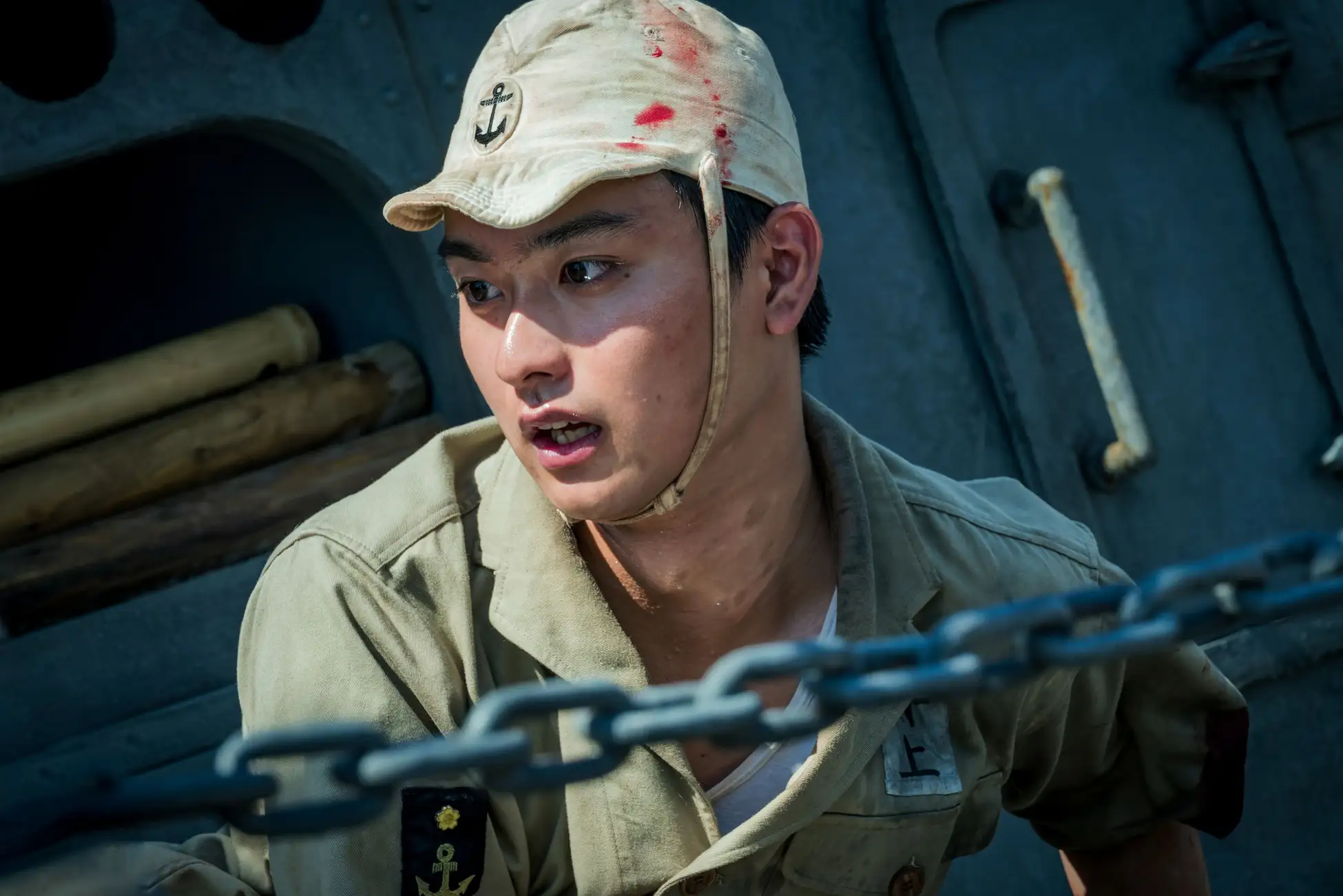
Daiken Okudaira as Torpedoman Sōta Inoue
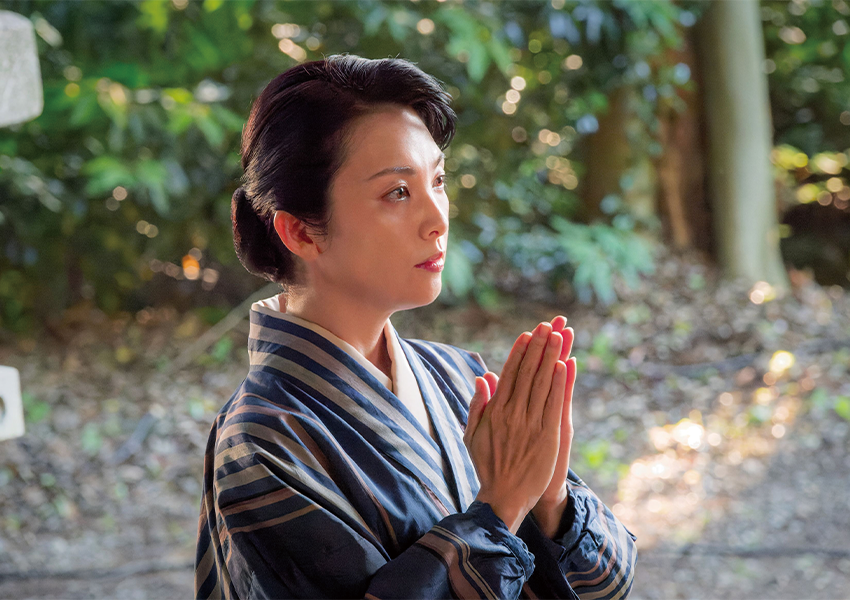
Rena Tanaka as Shizu Terasawa

Sachi Hayase, younger sister of Kohei Hayase — played by Ami Toma
Runtime: 120 minutes
Official Website: Sony Pictures Japan – YUKIKAZE
Nationwide Release: Friday, August 15, 2025
Cast:
Yutaka Takenouchi, Hiroshi Tamaki, Daiken Okudaira, Ami Toma
Takahiro Fujimoto, Masaki Miura, Keiya Yamauchi, Takahiro Kawaguchi, Daiki Nakabayashi, Mio Tanaka
Rena Tanaka, Toru Masuoka, Kanji Ishimaru, Kiichi Nakai
Staff:
Planning: Shohei Kotaki, Kisei Takahashi
Screenplay: Yasuo Hasegawa
Cinematography: Takahide Shibanushi
Music: Taro Iwashiro
VFX Director: Odyssay
Director: Toshihisa Yamada
In cooperation with: Ministry of Defense / Japan Maritime Self-Defense Force
Theme Song:
“Tegami” by Uru (Sony Music Associated Records)
Distribution:
Sony Pictures Entertainment / Bandai Namco Filmworks
© 2025 Yukikaze Partners