Tokyo

Travel

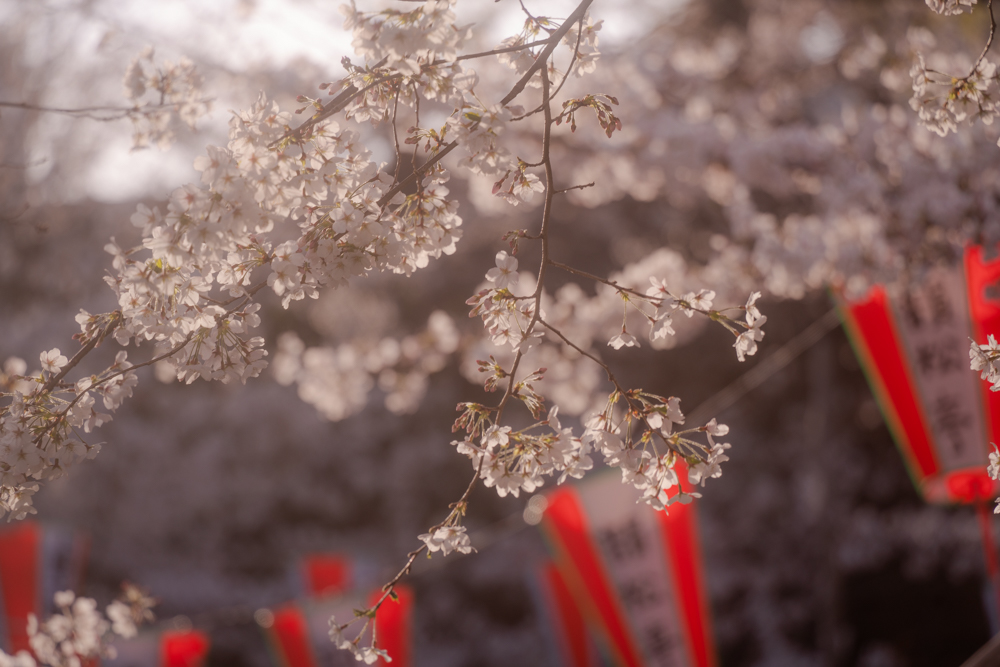
Ueno Onshi Park, a famous place for cherry blossoms in Tokyo. A spring record.

Ueno has been known as a “cherry blossom spot” since the Edo period. There are a total of nearly 3.3 million people during the cherry-blossom viewing season.
As usual, it is a park where people can spread their leisure seats under the cherry blossoms and enjoy the banquet, but now the banquet is prohibited to prevent the spread of the new coronavirus infection (COVID-19). There are also restrictions on the number of people in the park.
However, I went to shoot after being informed that the cherry blossoms were in full bloom.

Tokyo National Museum Garden
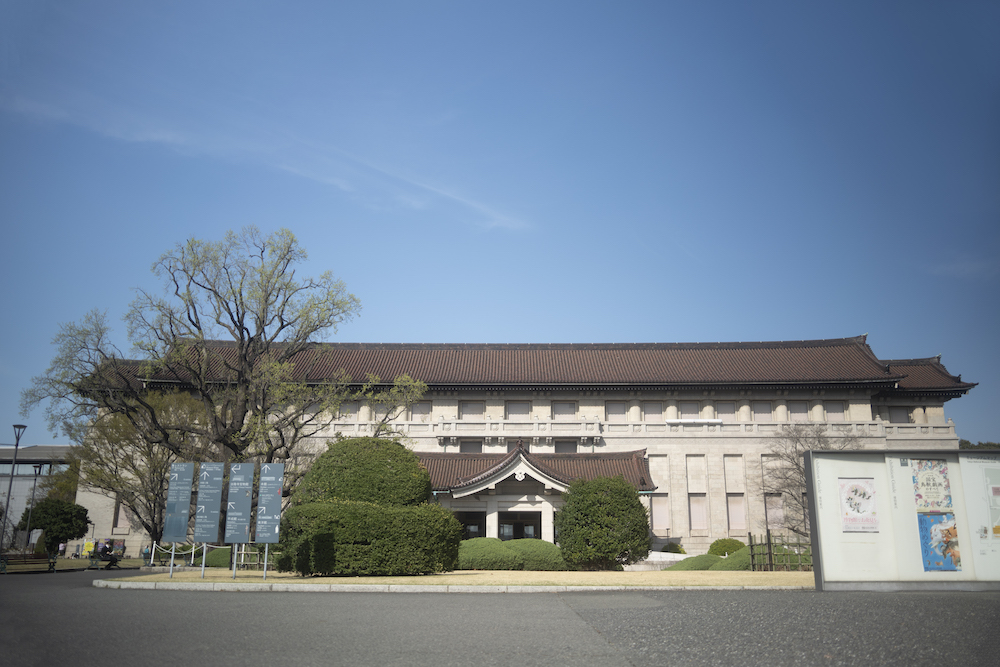
Tokyo National Museum

It is a place where many important cultural properties that have colored Japan’s long history are exhibited. There is a Japanese garden at the back of the museum, and you can see it along with the exhibits if you purchase a ticket for the museum.
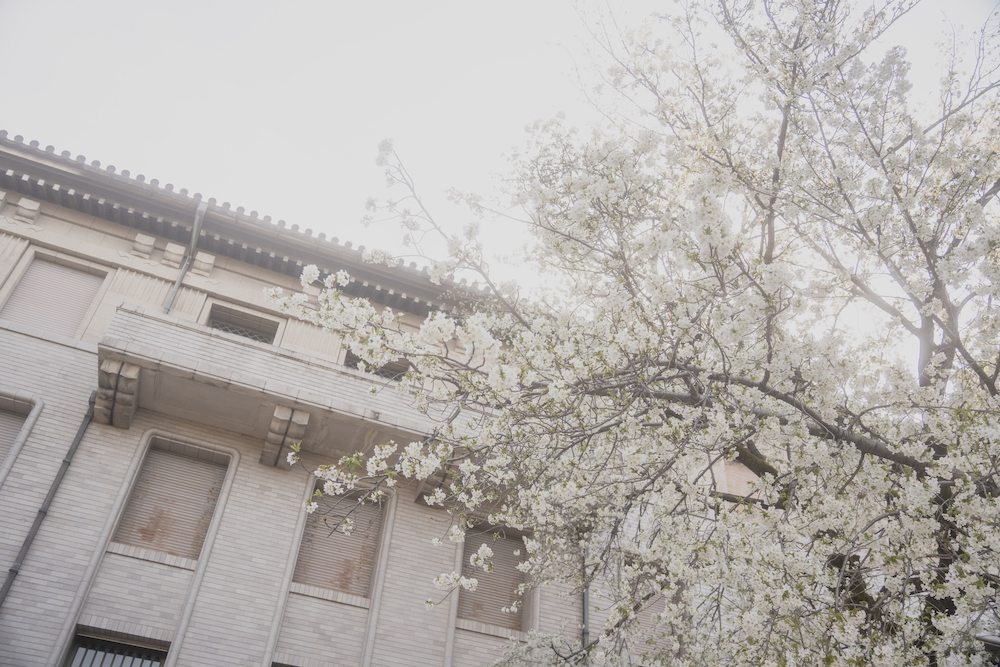
The combination with cherry blossoms feels the atmosphere of Taisho romance
Weeping cherry tree "Edhigan" featuring a pink color

It seems that the construction plan for the main building was selected from the public offerings. It was designated as an important cultural property in 2001, and is said to be a representative building of the Imperial Crown Style (a Western-style concrete building with an oriental tiled roof).

The combination with the cherry blossoms was very nice. There is a balcony between the 5th and 6th rooms on the first floor, from which you can enjoy the garden. It is also possible to go directly to the back and stroll around the garden without entering the building.

It is a quiet place away from the bustle of the park, and there are benches and so on. I think it’s good to take a break while looking at the garden.
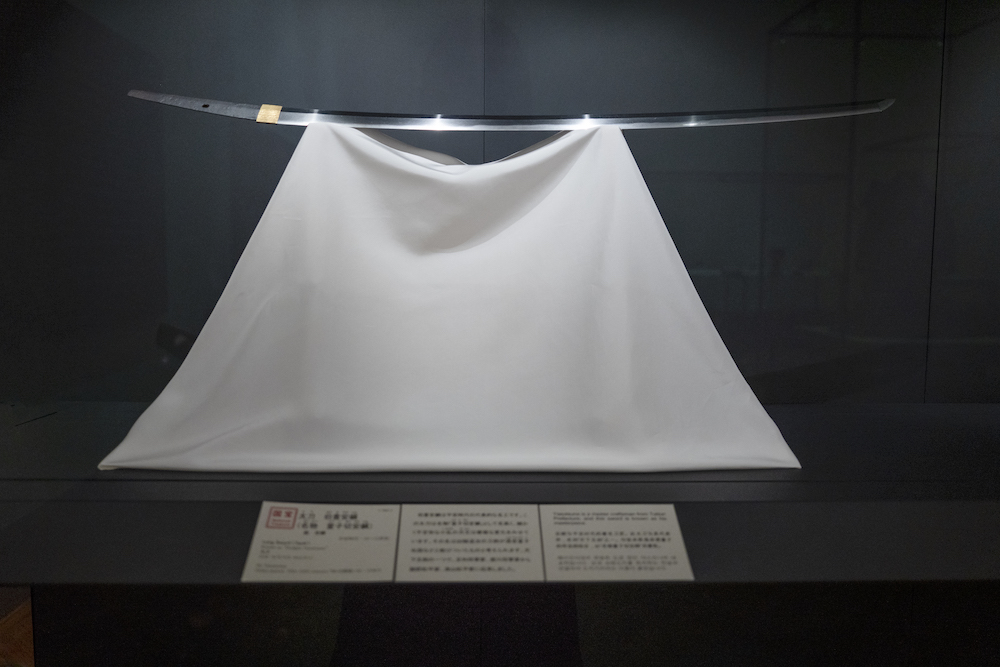
Tachi Meiyasutsuna (Dojikiri Yasutsuna)

The national treasure of the Tokyo National Museum, Dojigiri Yasutsuna, was exhibited.
It is one of the five best swords in Japanese history, and is considered to be the best sword called “East and West Yokozuna of Japanese swords” along with Okanehira.
It is also a sword with a legend that the neck of “Oni-Shuten-doji” who settled in Mt. Oe in Tanba Province was cut off with this sword.

Sakura street
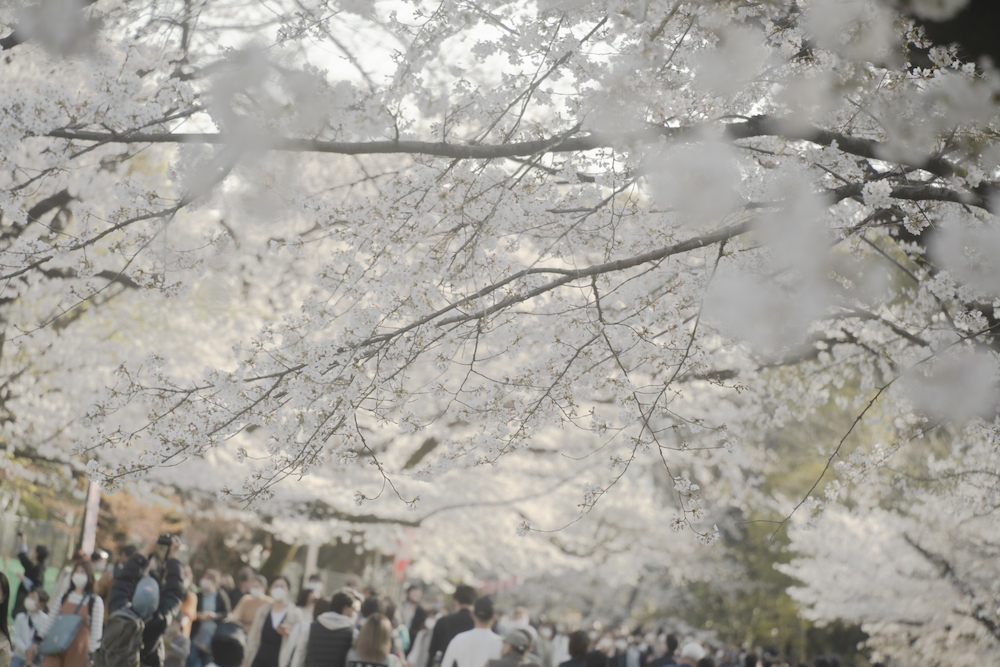
If you walk straight out of the main gate of the Tokyo National Museum, you will come across a view like a tunnel of cherry blossoms. This is called “Sakura-dori” and is the main street of the park. It is also mainly here that cherry blossoms are planted.

Unlike the refreshing impression of the blue sky in the daytime, the impression is that the flowers are shining during the time when the sun is shining.

Ueno Toshogu Shrine
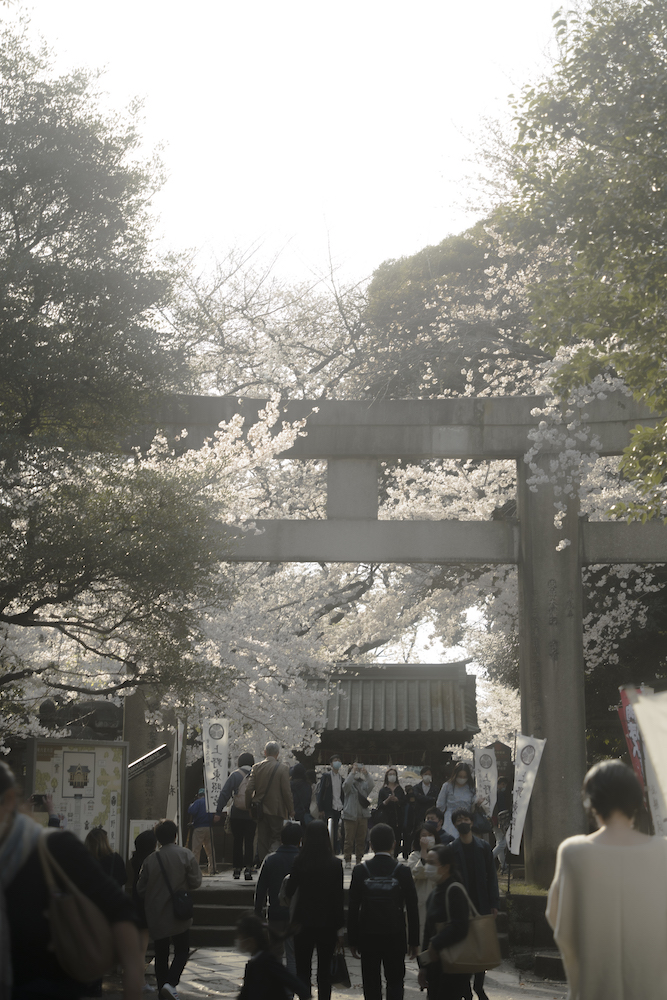
“Toshogu” is the name given to a shrine that enshrines Ieyasu Tokugawa as a god. In addition to Nikko and Kunoyama, there are many in Japan. This Ueno Toshogu Shrine is said to have been designated as a national important cultural property as a valuable early Edo period building that survived wars and earthquakes.
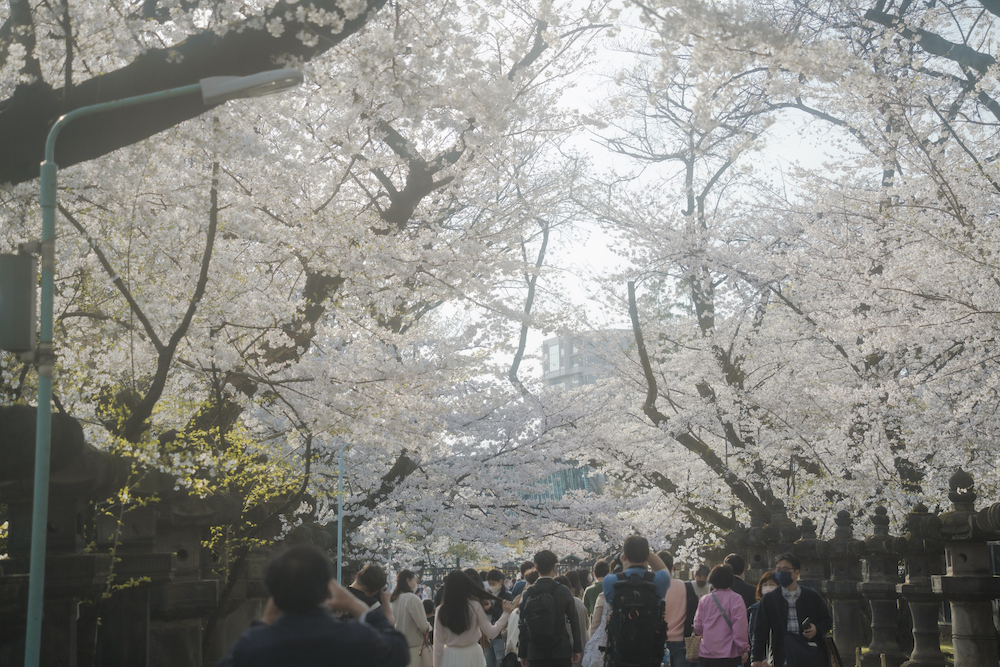
Stone lantern and cherry blossom tunnel
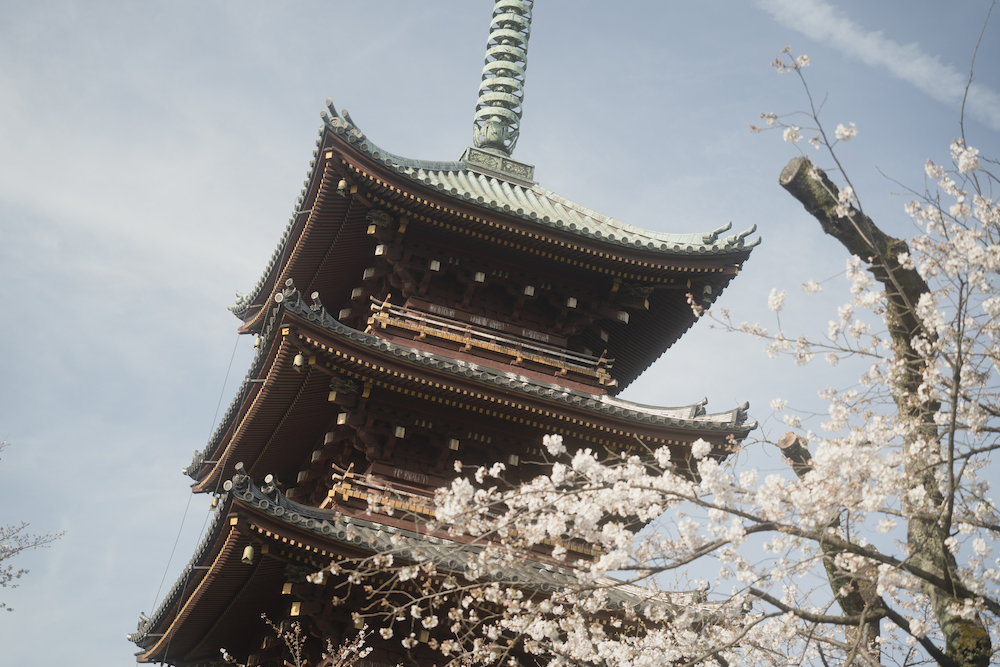
Former Kaneiji Five-storied Pagoda (Important Cultural Property)

Originally built as the tower of Ueno Toshogu Shrine, it will be under the control of Kaneiji Temple due to the “神仏分離令 (Ordinance Distinguishing Shinto and Buddhism)” of the Meiji era.
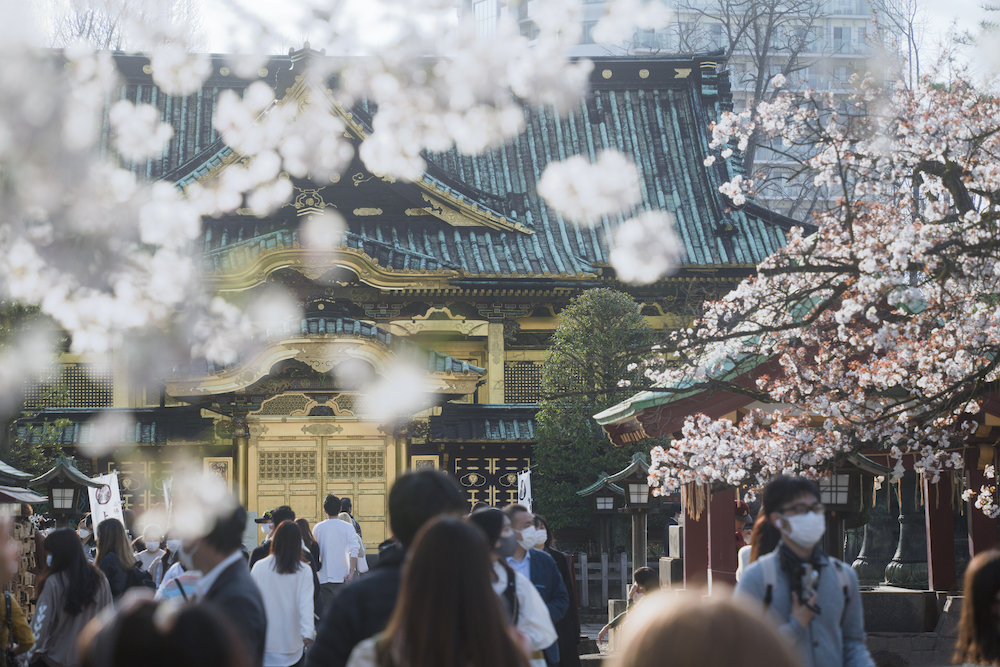
Karamon (Important Cultural Property)

Nationally designated important cultural property. There is a sculpture of the rising and falling dragons by Hidari Jingoro on the four faces other than the pillars, and there is a legend that he goes to drink the water of Shinobazu Pond in the park every night.
Hidari Jingoro is also famous as the creator of the sleeping cat at Nikko Toshogu.
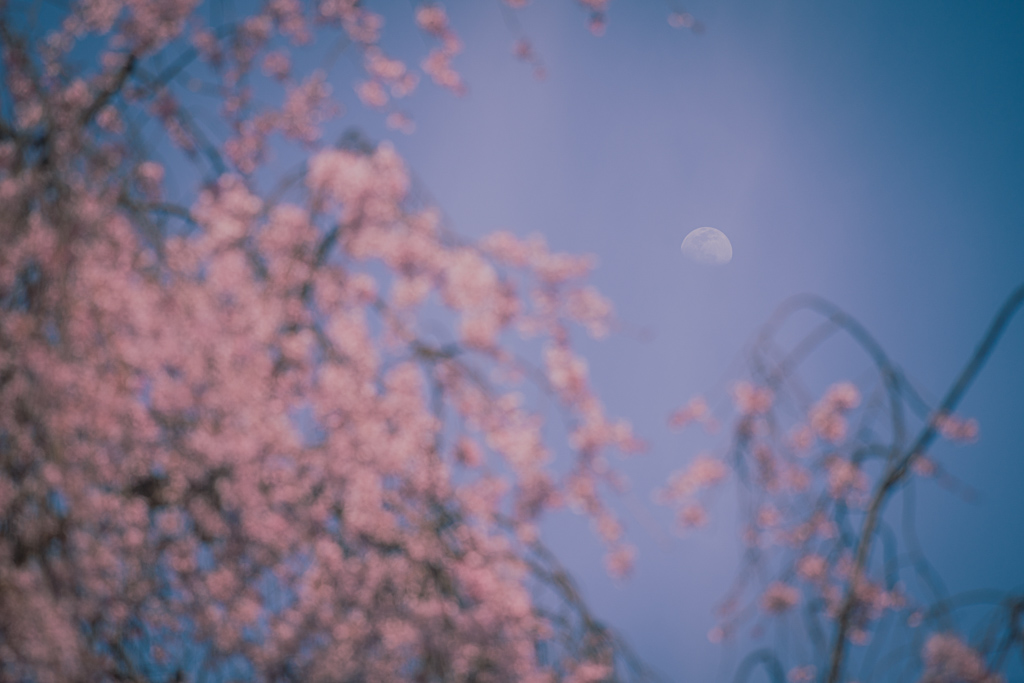
In Japan, the living environment changes in April due to enrollment and employment, so it is also a turning point.
We have delivered a beautiful cherry blossom that is a symbol of Japan that blooms in the beginning season.

Finally, I will post a weeping cherry tree at the end of the Ikenohata approach to Ueno Toshogu.
The other day, I went to an exhibition by Hiroshi Yoshida, a Western-style painter and printmaker. I thought that the way the colors were expressed in the woodblock prints and the atmosphere were shown in the photographs.
It’s nice to touch the work of art and realize that it’s nourishing me in this way. If you are interested, please check it out.


New

New

Featured articles

Kumamoto

JP info

[Minamioguni Town, Aso District]Information on new facilities and refurbished establishments around Kurokawa Onsen

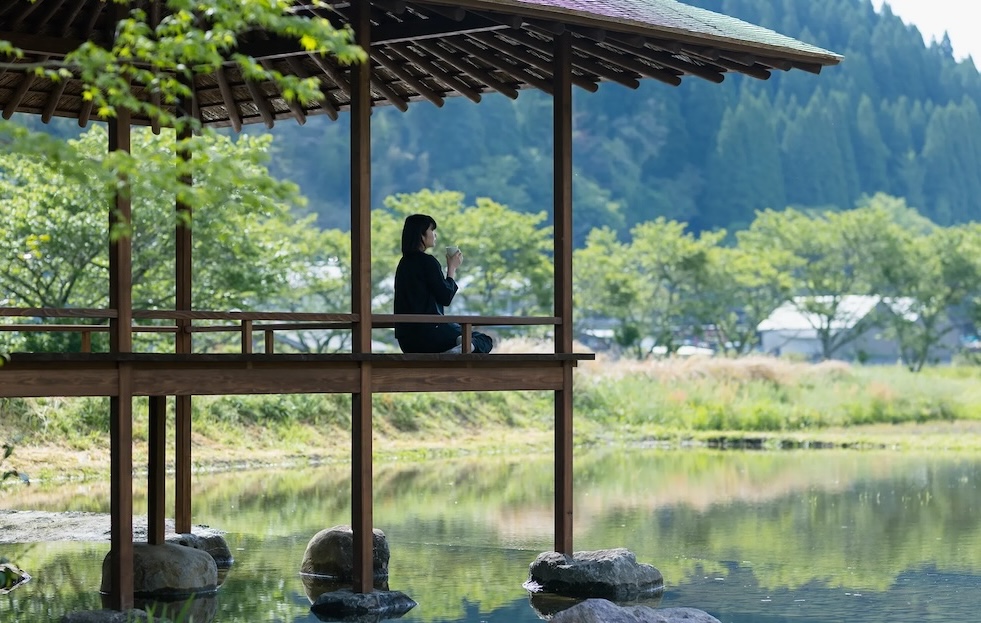
Discover newly opened facilities and refurbished establishments in and around Kurokawa Onsen (Minamioguni Town, Kumamoto Prefecture). Each spot lies within a 5-10 minute drive from Kurokawa Onsen town, making them easy to visit between hot spring hopping. From new ventures by long-established inns to cafés nestled in lush satoyama landscapes and restaurants dedicated to local ingredients, these spots brim with diverse appeal. Explore them as fresh ways to enjoy Kurokawa Onsen.

Tochigi

JP info

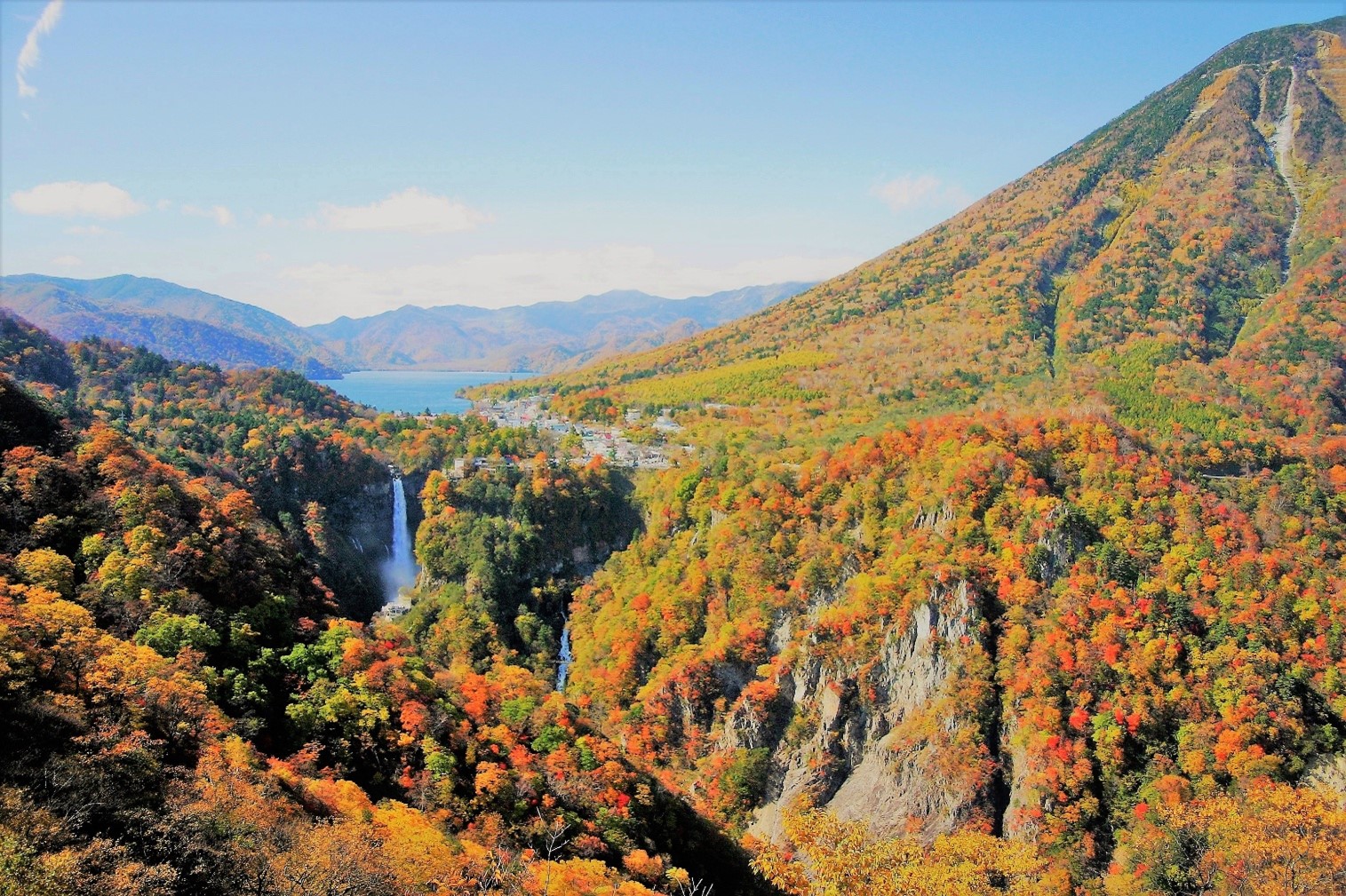
Avoid the traffic and enjoy the autumn colours of Oku-Nikko at dawn: “SPACIA X NIKKO CRUISER’s Early Morning Autumn Foliage Tour” now on sale

From October 2025, we shall commence operations of the high-grade chartered coach ‘SPACIA X NIKKO CRUISER’ as a new secondary transport service within the Nikko area. To commemorate the launch, Tobu Top Tours Co., Ltd. has planned the ‘SPACIA X NIKKO CRUISER Early Morning Autumn Foliage Viewing Journey’, which will go on sale from Friday, 12 September 2025.

Countrywide

Event

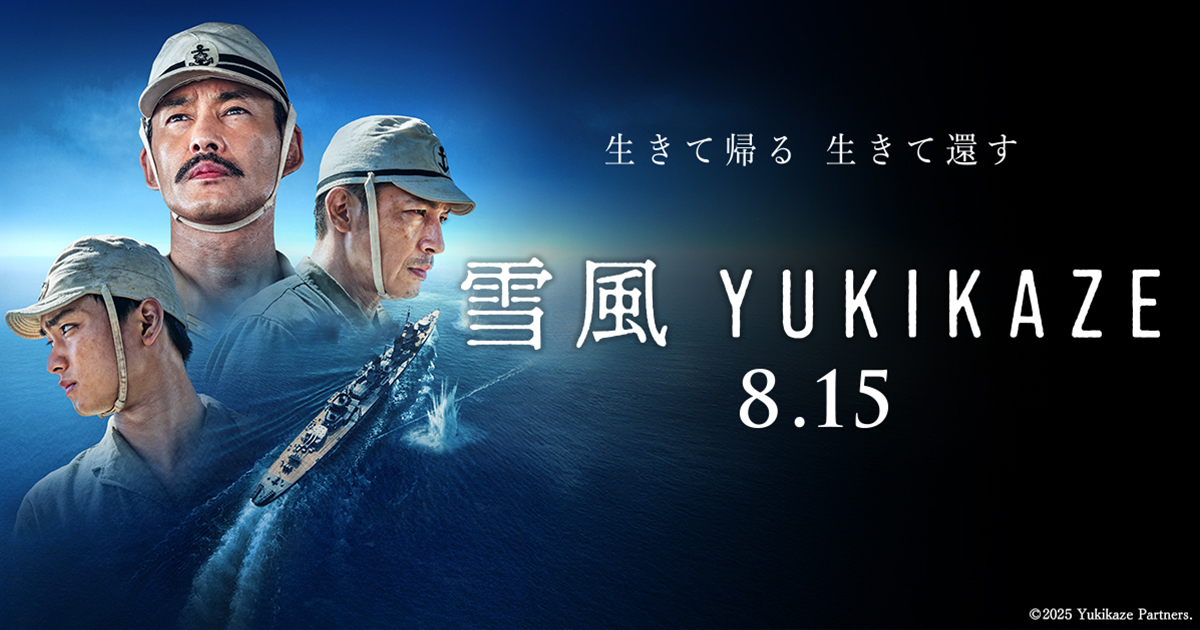
Eighty Years After the War: A Reflection on the Preciousness of Ordinary Life YUKIKAZE – In Theaters Nationwide from August 15, 2025

“To Return Alive, To Bring Others Home Alive”

Opening nationwide on August 15, 2025—marking eighty years since the end of World War II—YUKIKAZE is a feature film based on the true story of the Imperial Japanese Navy (IJN) destroyer Yukikaze, a vessel that rescued countless lives amid the horrors of war. A press screening was held in advance at the Sony Pictures screening room.

The destroyer Yukikaze, which served throughout the Pacific War, was renowned for rescuing numerous sailors thrown into the sea during fierce naval battles, surviving to the end of the war virtually unscathed. It earned the legendary moniker “the lucky ship.” This film brings to life the ship’s heroic journey, alongside the lives of those who persevered through one of the most turbulent eras in modern history.

Leading the cast is Yutaka Takenouchi as Captain Kazutoshi Terasawa—a fictional amalgamation inspired by the real-life captains of Yukikaze. Hiroshi Tamaki portrays Petty Officer First Class Kohei Hayase. Supporting roles are delivered by an ensemble of acclaimed actors including Daiken Okudaira, Rena Tanaka, Kanji Ishimaru, and Toru Masuoka. Kiichi Nakai delivers a commanding performance as Vice Admiral Seiichi Itō, the Second Fleet Commander of the IJN who met his fate aboard the battleship Yamato.

In today’s world, once again shaken by division and violence, YUKIKAZE poses an urgent question to those of us living in the peace that others fought to protect: Are we once again treading the path of past mistakes? As collective memory of the war fades, this film becomes ever more vital—a call to reflect on the true value of peace.

Fukuoka

Event

Restaurant

Takamiya Garden Saryo, Minami-ku, Fukuoka City, 18 Jul (Fri) – 11 Aug (Mon, national holiday) Summer event to feel cooler ‘Summer Lights – NATSU NO HI’ Reservations now being accepted.

The Takamiya Teien Saryo will hold its popular seasonal event “Summer Lights” from 18 July (Fri) to 11 August (Mon) 2025.A special dinner course, prepared exclusively for Summer Lights, featuring an abundance of seasonal fish and summer vegetables to bring out the coolness of summer. The meal finishes with shaved ice with matcha green tea, a summery treat. Please enjoy the dishes that gently add coolness to your summer evening in a relaxed atmosphere.
Hiroshima

Art

Simose Art Museum: “Ambient, Environment, Circumstances – The Topography of Contemporary Art”Interview Part II: Ryosuke Yoshimura, Kisei Takahashi, Mario Cristiani, and Stefano Pesce

Opened in 2023 in Otake City, Hiroshima Prefecture, the Simose Art Museum sits on the shores of the Seto Inland Sea, facing the sacred island of Itsukushima. Designed by globally acclaimed architect Shigeru Ban, the museum rose to international prominence when it was awarded the Versailles Prize in December 2024 as the ‘World’s Most Beautiful Museum,’ drawing significant global attention.

To commemorate this achievement, the museum launched its first-ever contemporary art exhibition, Ambient, Environment, Circumstances – The Topography of Contemporary Art, which runs from April 26 to July 21, 2025. Within just ten days of opening, the exhibition surpassed 10,000 visitors—a record-breaking turnout for the museum.

Featuring works by emerging artists born between 1980 and 2000, primarily from across Asia, this special exhibition marks a bold new chapter for the museum as it ventures into contemporary territory.

Following our previous interview, HYAKKEI continues its coverage with insights from Ryosuke Yoshimura, Representative Director of Simose Art Museum; Kisei Takahashi, Board Director of the museum; Mario Cristiani, co-founder of Italy’s leading gallery Galleria Continua; and Stefano Pesce, Advisor of the Mark Tobey Committee CMT.

Hiroshima

Art

Simose Art Museum: “Ambient, Environment, Circumstances – The Topography of Contemporary Art”Interview Part I: Chief Curator Keita Saito

Opened in 2023 in Otake City, Hiroshima Prefecture, the Simose Art Museum sits on the shores of the Seto Inland Sea, facing the sacred island of Itsukushima. Designed by globally acclaimed architect Shigeru Ban, the museum rose to international prominence when it was awarded the Versailles Prize in December 2024 as the ‘World’s Most Beautiful Museum,’ drawing significant global attention.

To commemorate this achievement, the museum launched its first-ever contemporary art exhibition, Ambient, Environment, Circumstances – The Topography of Contemporary Art, which runs from April 26 to July 21, 2025. Within just ten days of opening, the exhibition surpassed 10,000 visitors—a record-breaking turnout for the museum.

Featuring works by emerging artists born between 1980 and 2000, primarily from across Asia, this special exhibition marks a bold new chapter for the museum as it ventures into contemporary territory.

HYAKKEI visited the exhibition shortly after its opening and sat down with Chief Curator and artist Keita Saito for an in-depth interview. “I wanted this project to challenge the current condition of the Japanese art world,” Saito noted.

Pick Up

Pick Up