Uchina Stay Report vol.5:”Time slip to the Ryukyu era ~ Impregnable secret and priest Noro, Part 2 ~”

When people on the main island of Okinawa hear the dialect of “Miyakojima,” they often hear the story “I don’t know what they are saying.”

The island has its own language and customs in the area. It cannot be categorized as “Uchinaguchi (Okinawa dialect)”. I think that is one of the attractions of Okinawa.

sometimes feel this from “Uchinanchu (Okinawa people)”.

・Live and let live.

・ There are things that are important to others, just as there are things that are important to you.

It may be the sensibility unique to Uchinanchu, which was created by interacting with various cultures.

By the way, this time is the second part of the world heritage site “Katsuren Castle Ruins”. I would like to take a look with Katsuren Castle about the prosperity of Katsuren, the secret of the stone stairs, and the “folk religion” in Okinawa.

Scenery seen by Amawari

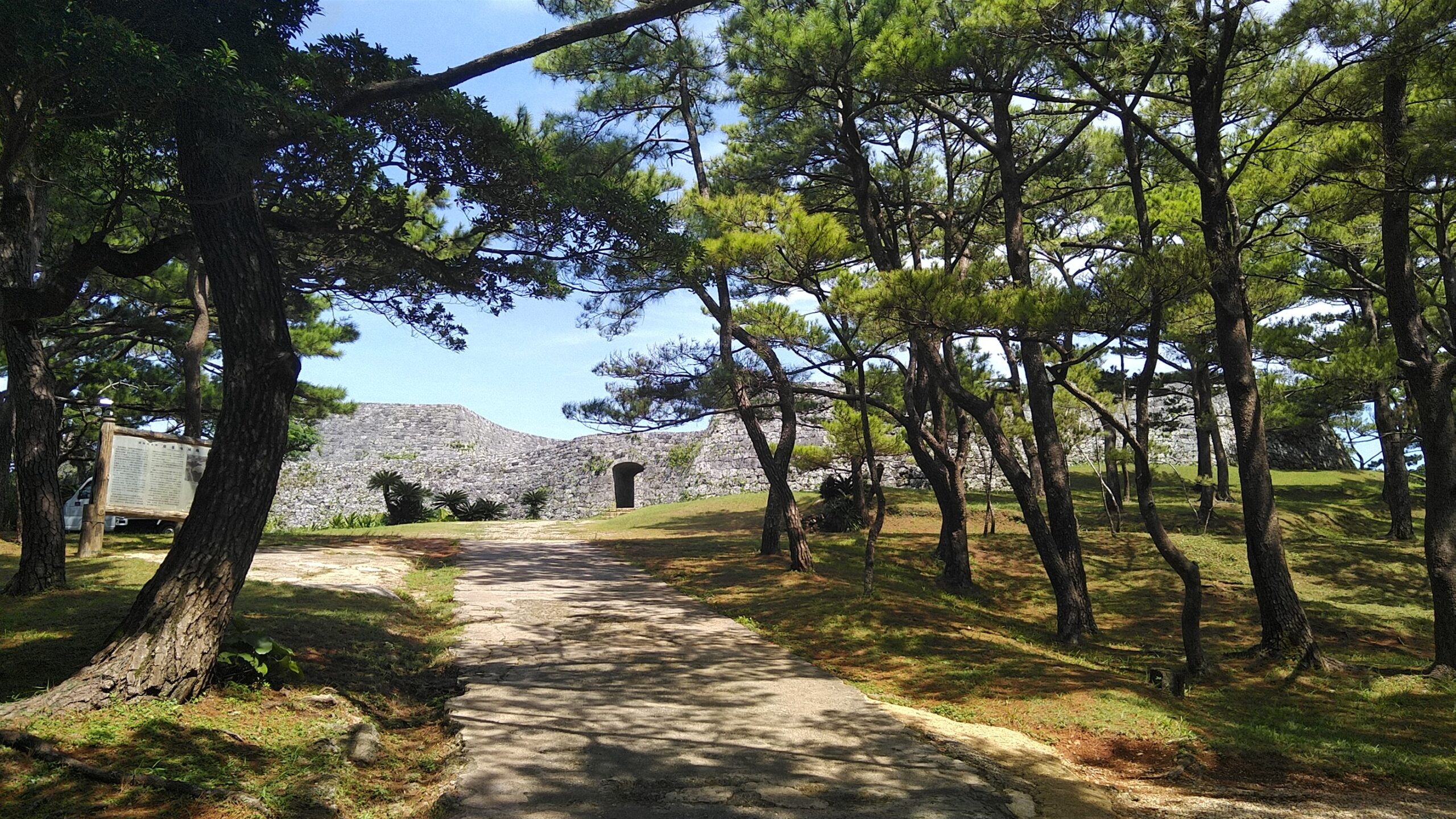
Now, for Katsuren Castle, it is the stairs to the final defense line “Ichi no Kuruwa”.
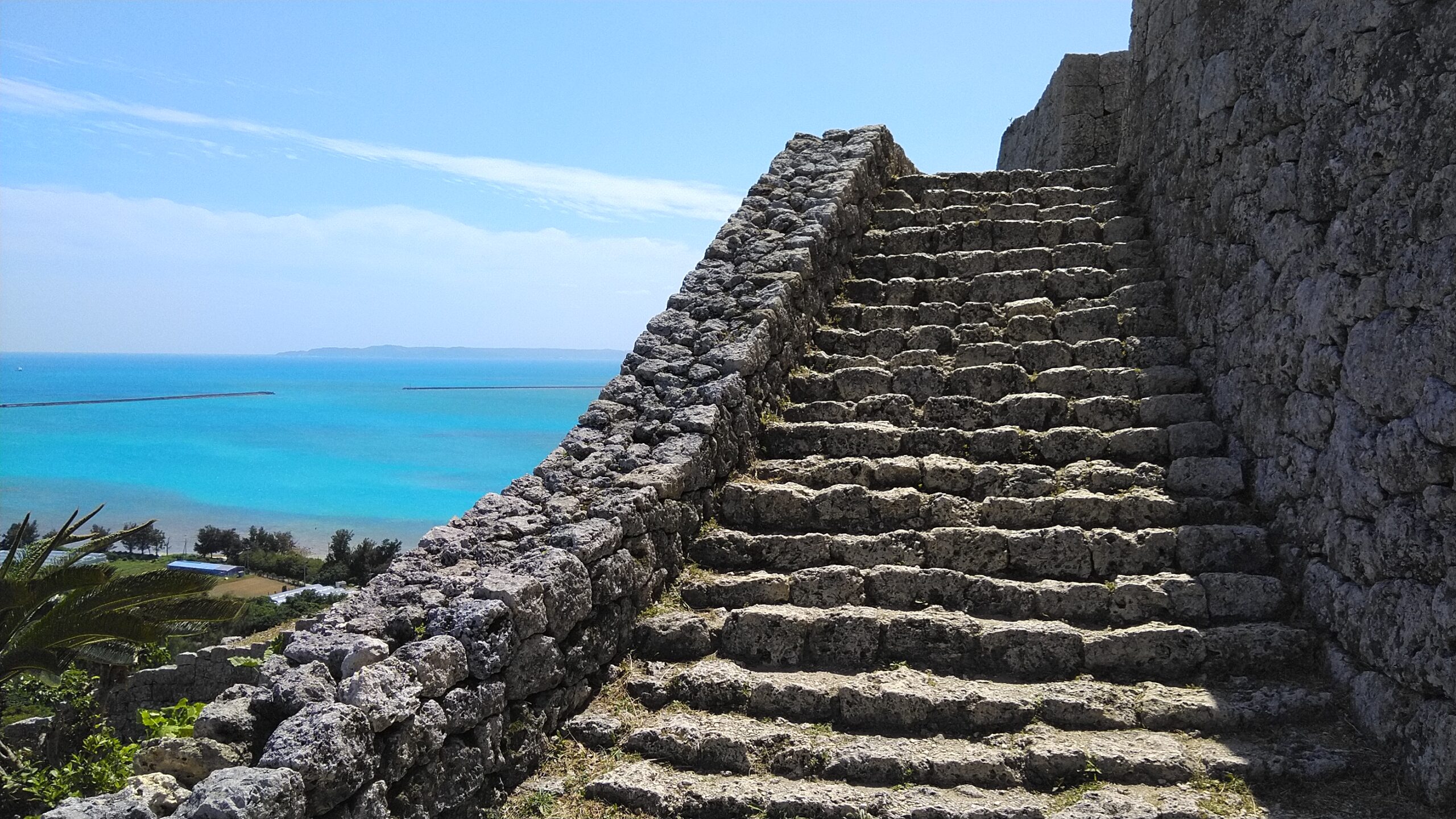
It may be hard to see in the photo, but as you go up, the width of the stairs is getting narrower. This is to disturb the intruder’s leadership and prevent them from entering “Ichi no Kuruwa” at once.

Furthermore, the stone wall on the right was also equipped with a small hole that could be attacked by an intruder.
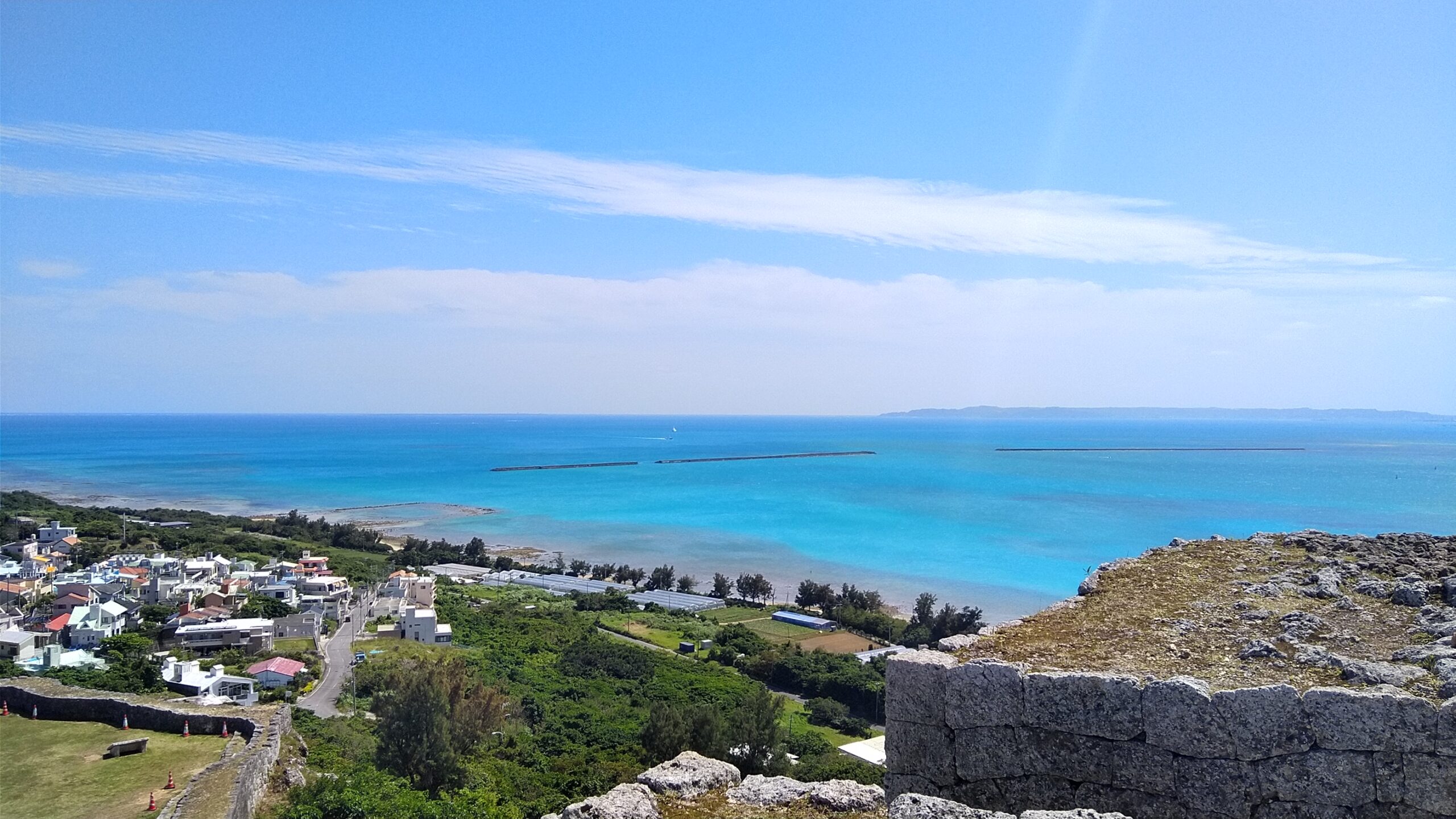
It can be seen from the top "Ichi no Kuruwa".

It is said that the last castle owner, “Amawari,” had excellent talent and was well-respected by the people.

The former castle owner laid down oppression and was drowning in sake, so he caused a coup d’etat and became the castle owner.
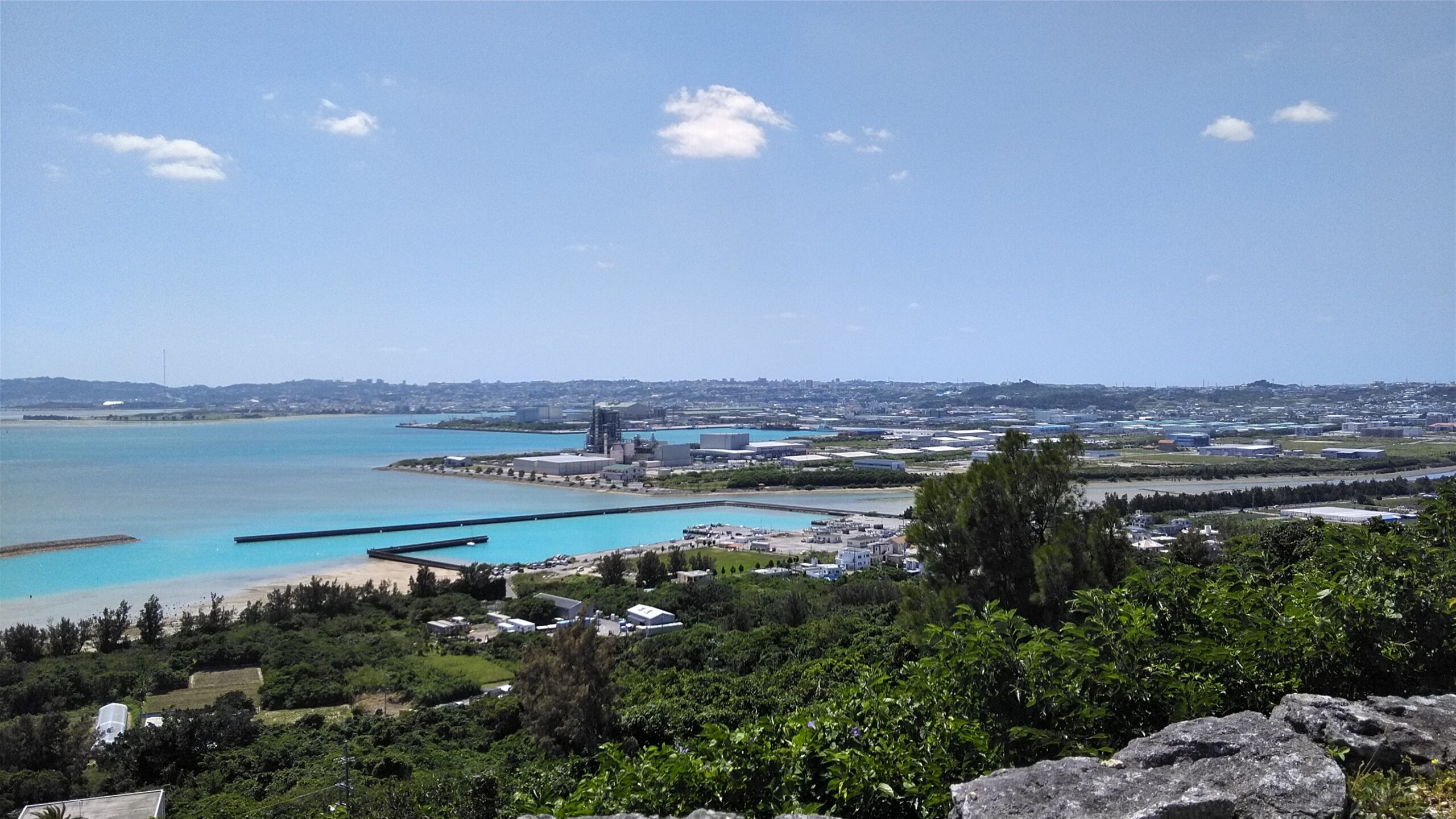
If it had been active in foreign trade and brought glory to Katsuren, it would have been a “hero” to the territory. It is written in the ancient Okinawan song “Omorosaushi”.

勝連の 阿麻和利  十百歳(とひゃくさ) ちよわれ

肝高(きむたか)の 阿麻和利  勝連と 似せて

肝高と 似せて

”Katsuren’s Amawari, please protect Katsuren for a thousand years. Noble Amawari, you should be in Katsuren. Be noble.”
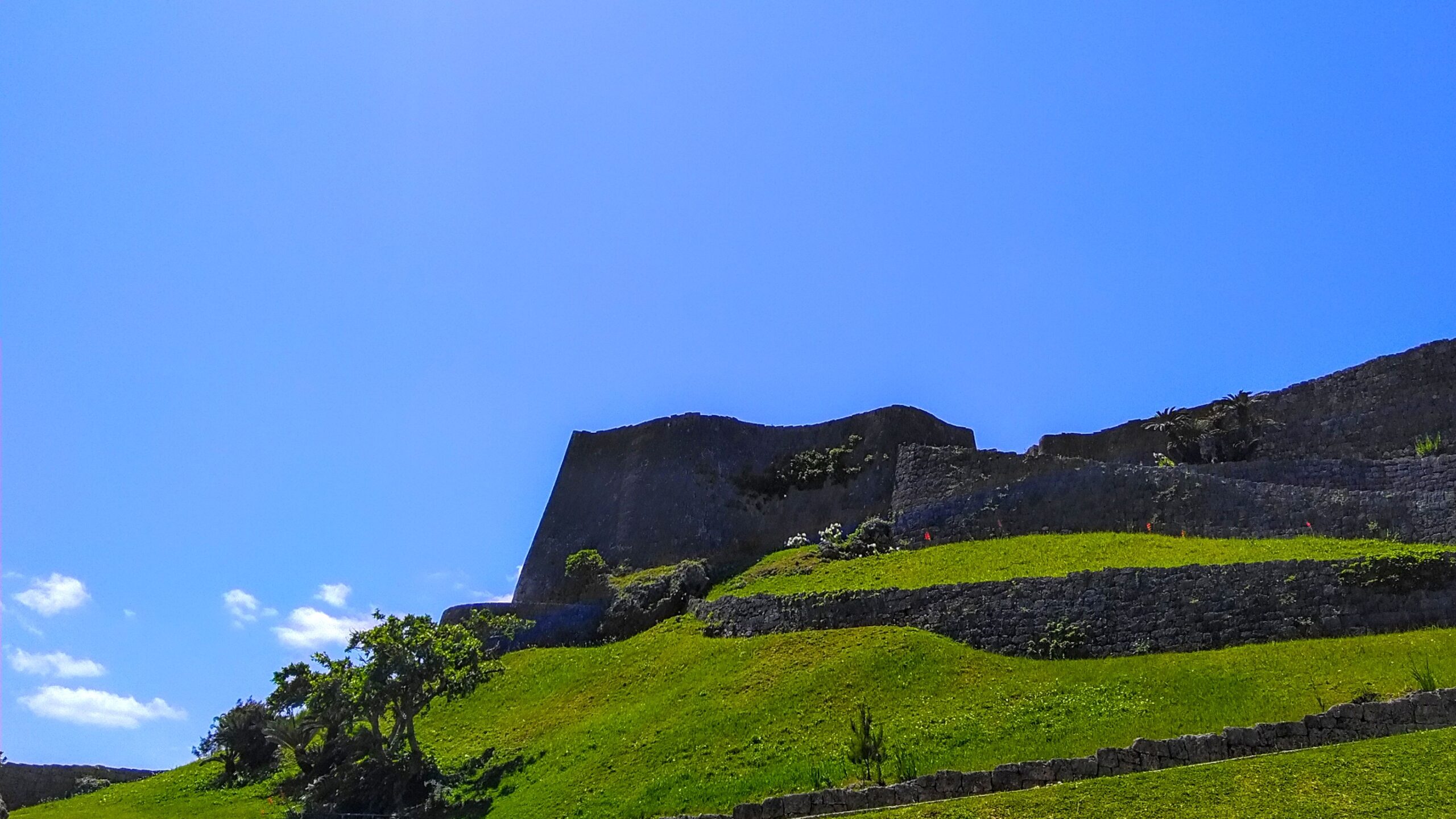
Climbing Katsuren Castle and considering that Amawari and the people of that era were in this place, it feels very strange. Imagine the construction of the castle, the character of the castle owner, the sea where the trade was taking place, and the fact that it was done “here” over time, and it felt like a real time slip.

History is interesting (although I was not good at it when I was a student …)!
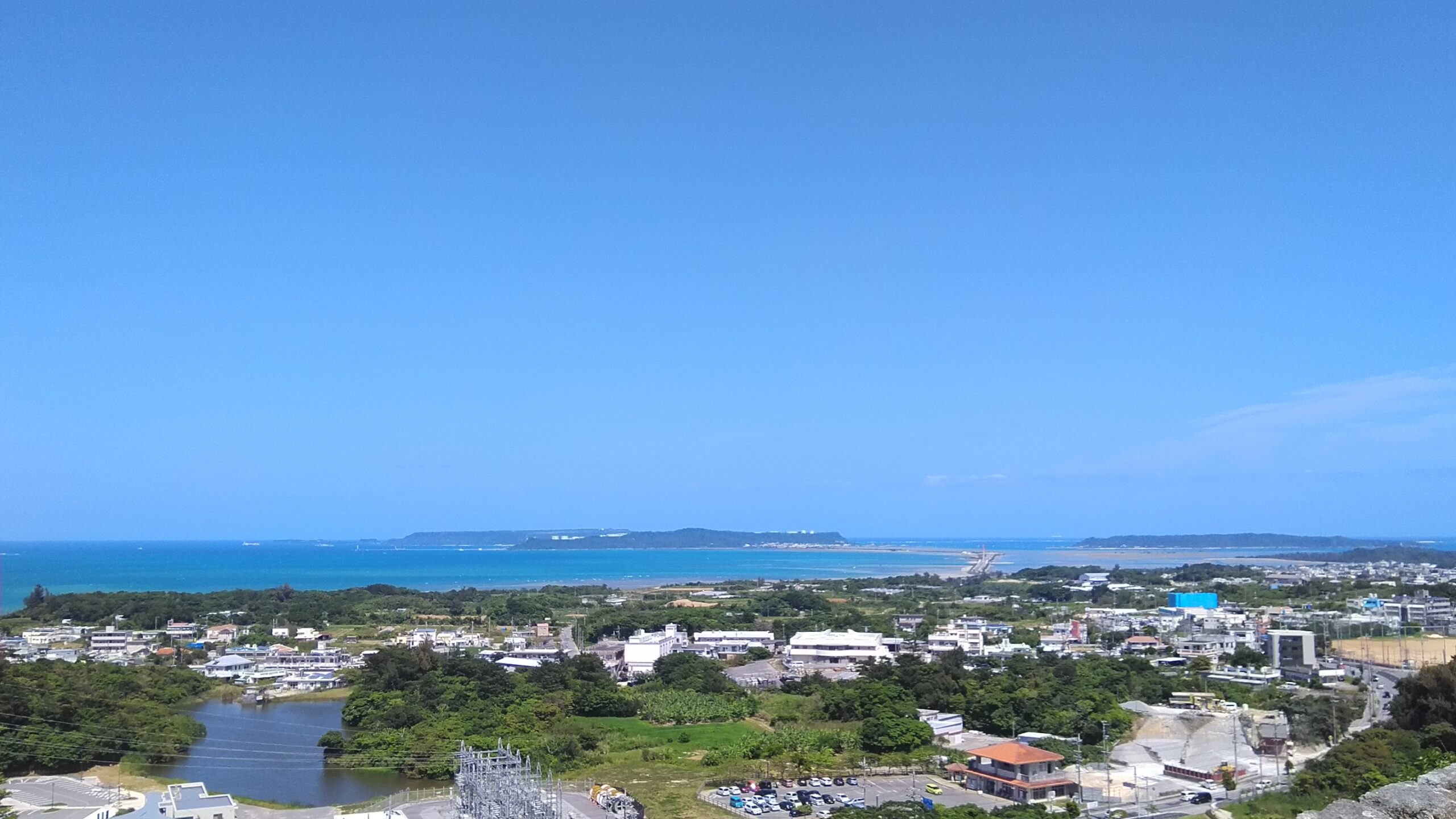
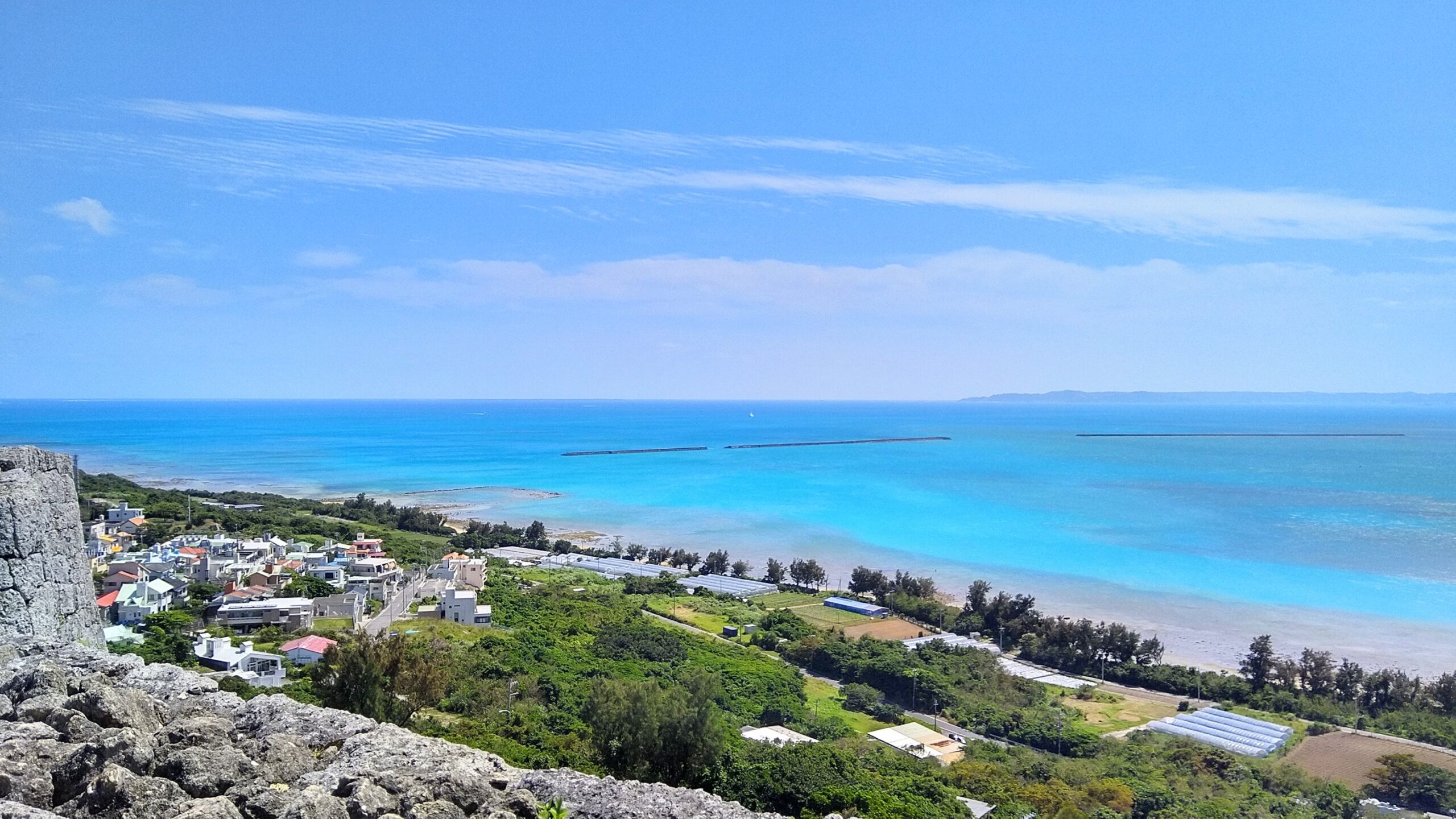
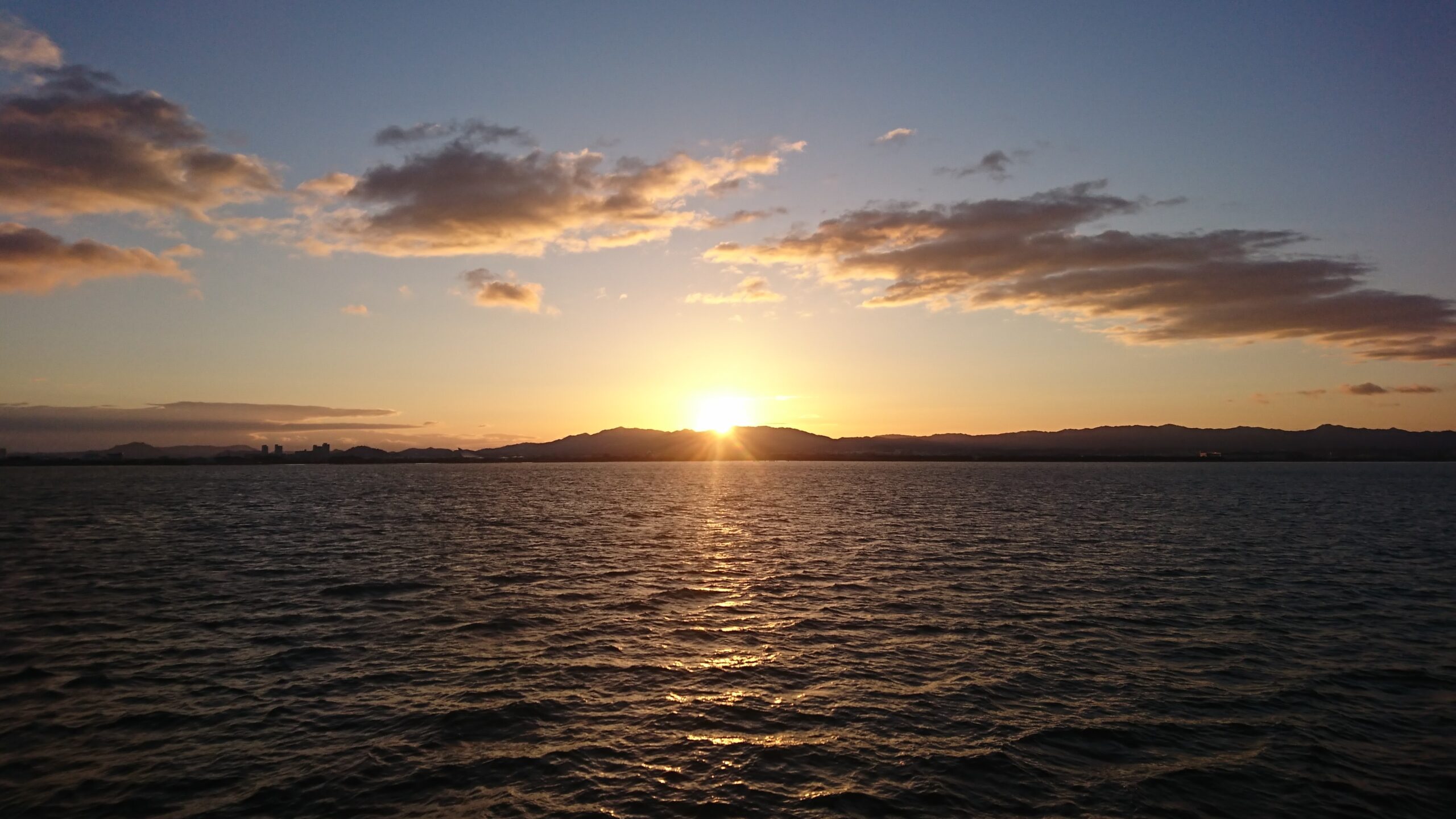
"Henza Island," "Miyagi Island," and "Ikei Island" can be seen near the center of the horizon. The "underwater road" that connects to it was built for industrial use, but it is now famous as a tourist spot.

Its name is "Hinukan"

Let’s look at Katsuren Castle from a different side.
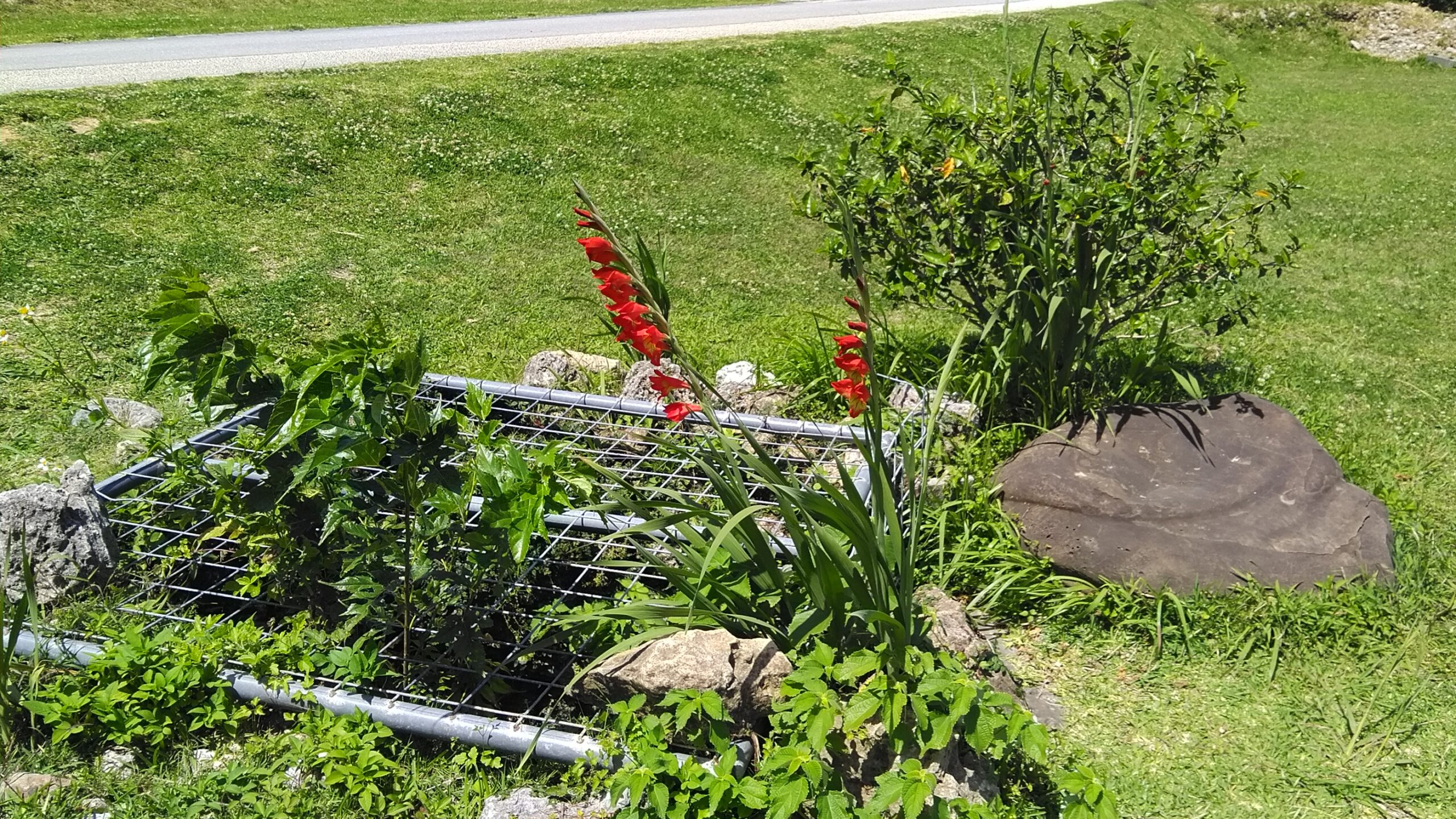
It seems that Okinawa has been suffering from “water shortage” since ancient times.

The reasons why water shortages are likely to occur are the lack of large rivers and well-drained strata. (Good drainage works well during typhoons and heavy rains.)
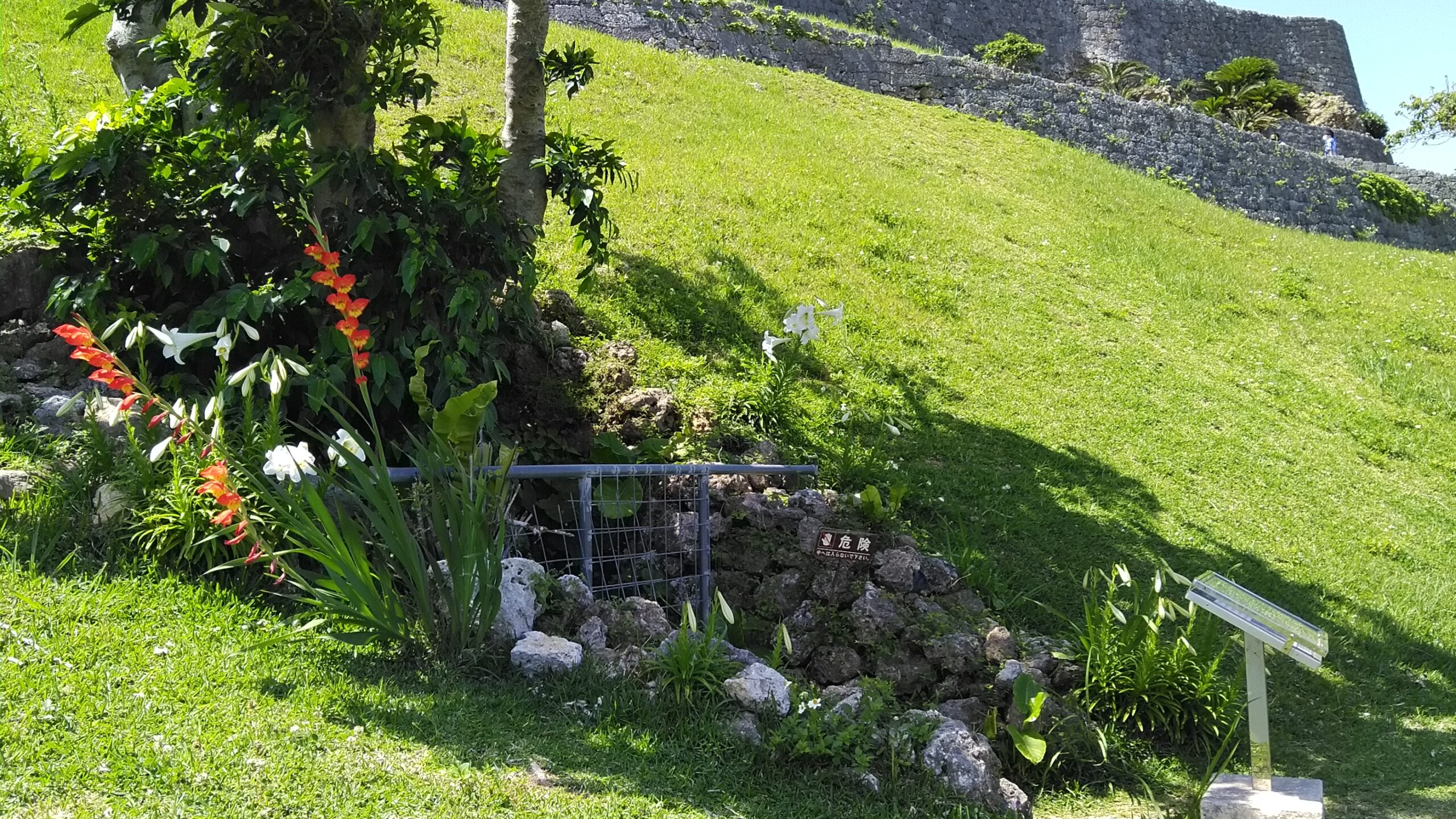
Therefore, there is a custom to be a very sacred place the spring water and wells.

There were many such “Ka” in Katsuren Castle. “Ka” means “spring water or well” as it is.
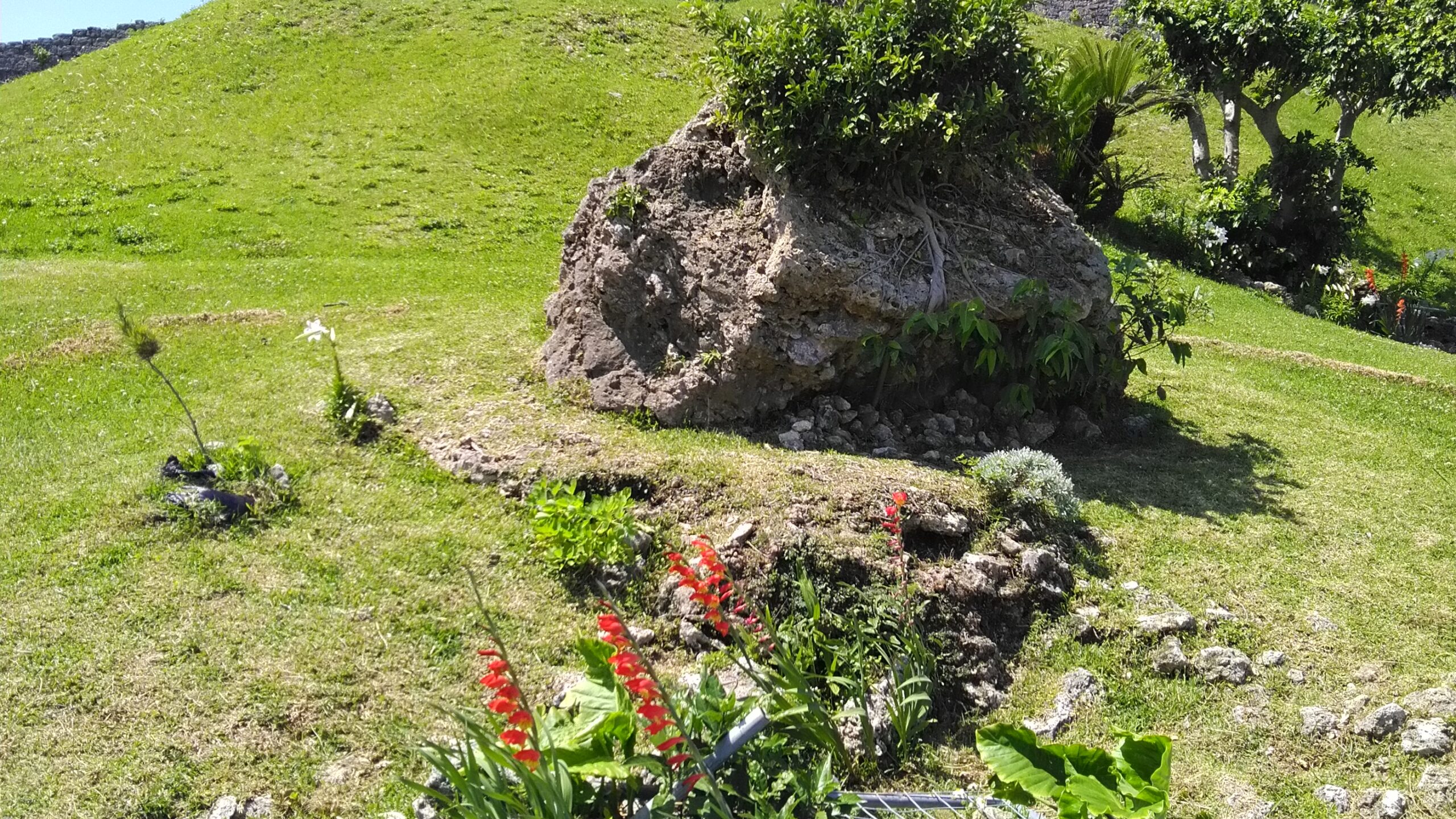
Utamishiga. At the time of the first worship (Ugami) on New Year's Day of the lunar calendar, the amount of water accumulated in the well was used to tell whether the year was a good harvest or a bad harvest.

It seems that it was not only a place to secure water necessary for daily life, but also a playground for children and a place for residents to relax.

It was also a “place of prayer”.
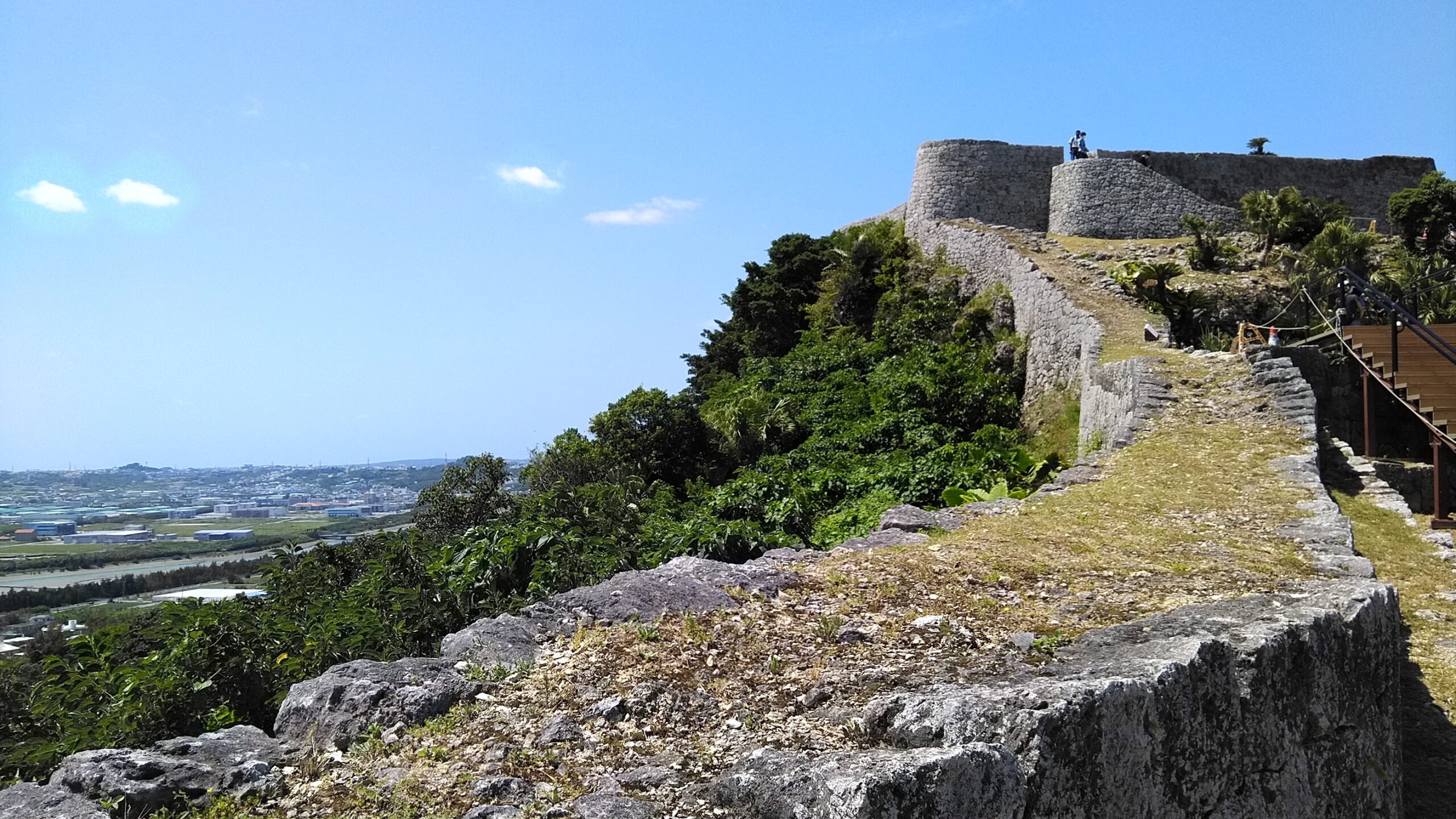
“Ryukyu Shinto” was worshiped mainly during the Ryukyu Kingdom era. Mainly worshiping nature and ancestors.

The ancient idea of Ryukyu was not “a prayer for personal happiness” but “a prayer for the production of agricultural products and the stability of society as a whole”, and the idea that “if society as a whole becomes peaceful, individuals can also be happy”.

Even in modern Okinawa, it exists in the form of permeating into everyday life and the way of thinking of things (folk religion).

Okinawa’s grave visits and Eisa (traditional dances to pick up and drop off the spirits of ancestors) are based on this idea of “ancestor worship.”

This is a place called “Tunumtu”. “Kaminchu” is a common name for a priest in Ryukyu Shinto.

In Okinawa, there is a word “man is Uminchu, woman is Kaminchu”, and it seems that it is women who serve God. Therefore, it is said that Kaminchu is also called “Noro”.

There are also people called “Yuta” who make judgments about the problems of private families.

If Ka is a belief in “water”, this is a place of belief in “fire”. Its name is “Hinukan”.

Even now, it is common for families to offer the fire of the stove as a god (1st and 15th of each month of the lunar calendar) and worship on a daily basis. Again, I think that it is women who serve “Hinukan”, and I hear that many households have women in front of the stove and in the kitchen.

A family guardian deity of all things, he also reports on all important matters such as family birth, school enrollment, marriage, divorce, and death.
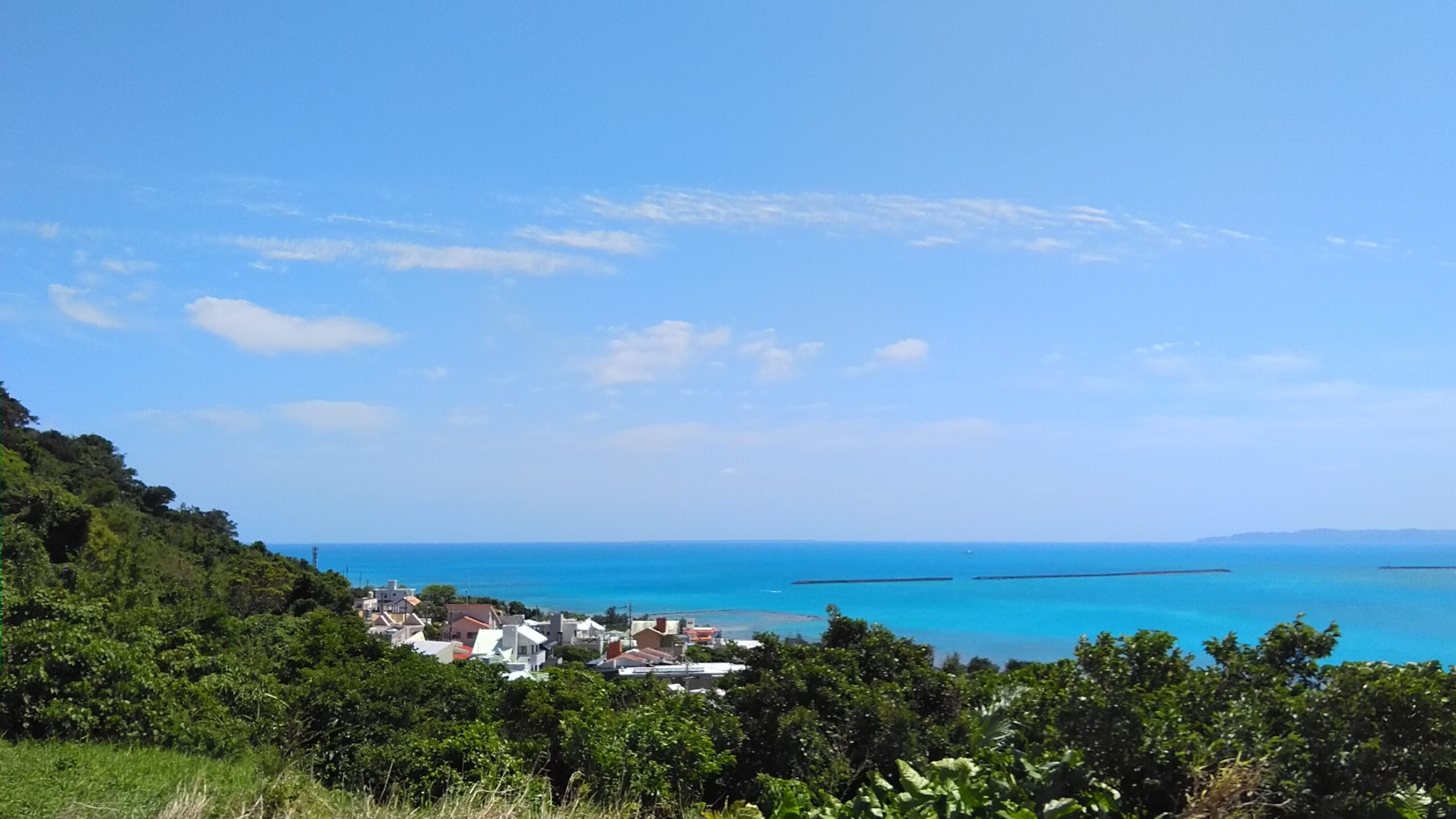
I didn’t know about this when I was traveling to Okinawa.

Nowadays, this kind of belief and the existence of Utah seems to be quite natural, but when I first learned about it, I remember feeling something like “awe.”

Okinawan language course ②
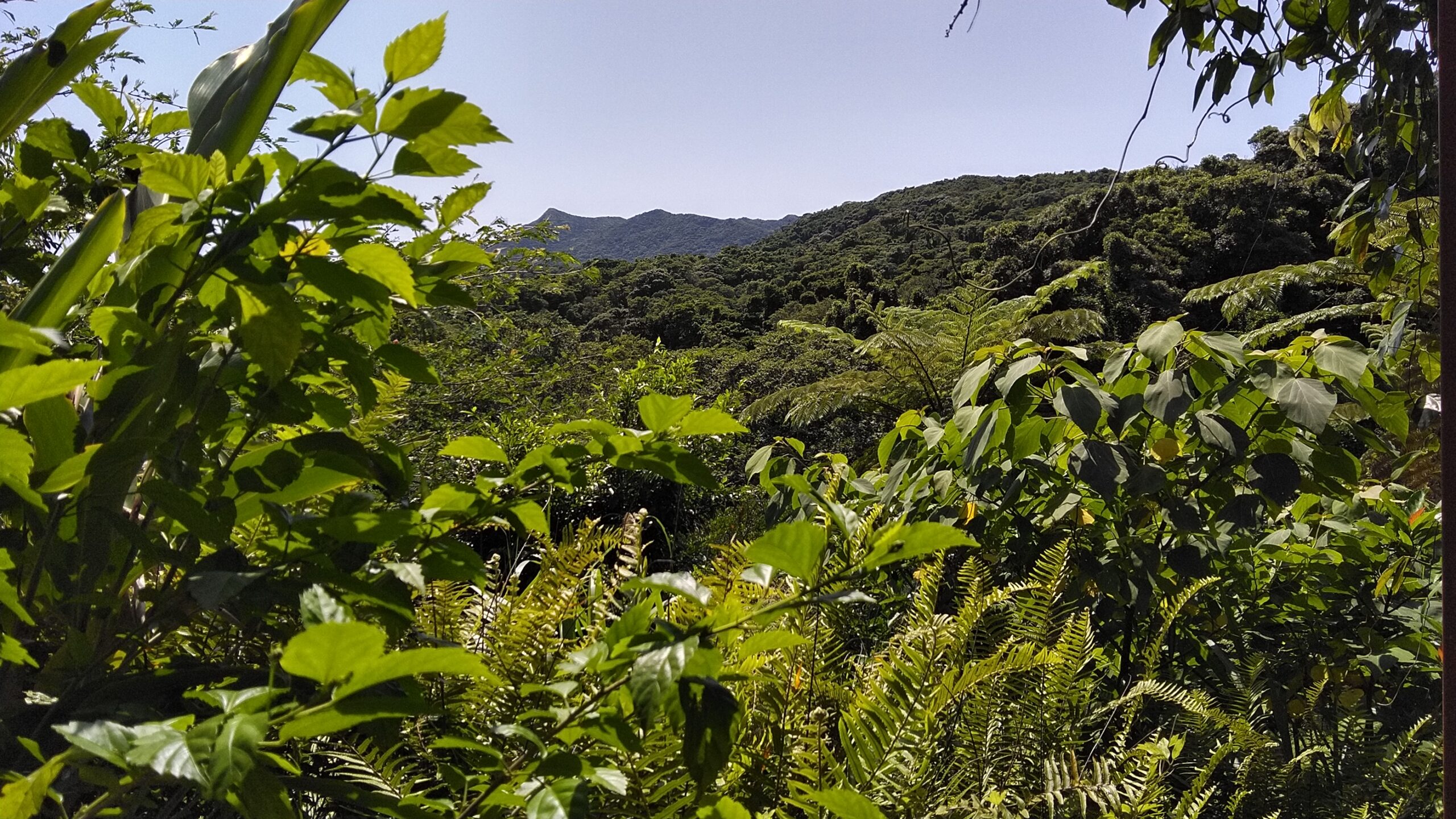
In the northern part of the main island of Okinawa. The area where a lot of nature is left is called "Yanbaru".

Finally, I would like to introduce two Uchinaguchi (Okinawa dialect). This time, let’s also take a look at the “Miyakojima dialect” that I mentioned in the writing part.

【Welcome】

Isn’t this a very famous word in Okinawan language?
The word “mensore” is often found at the entrances of airports and shops.
When this becomes the Miyako dialect, it is said to be “Nmyachi”. There aren’t many words that start with “n”.
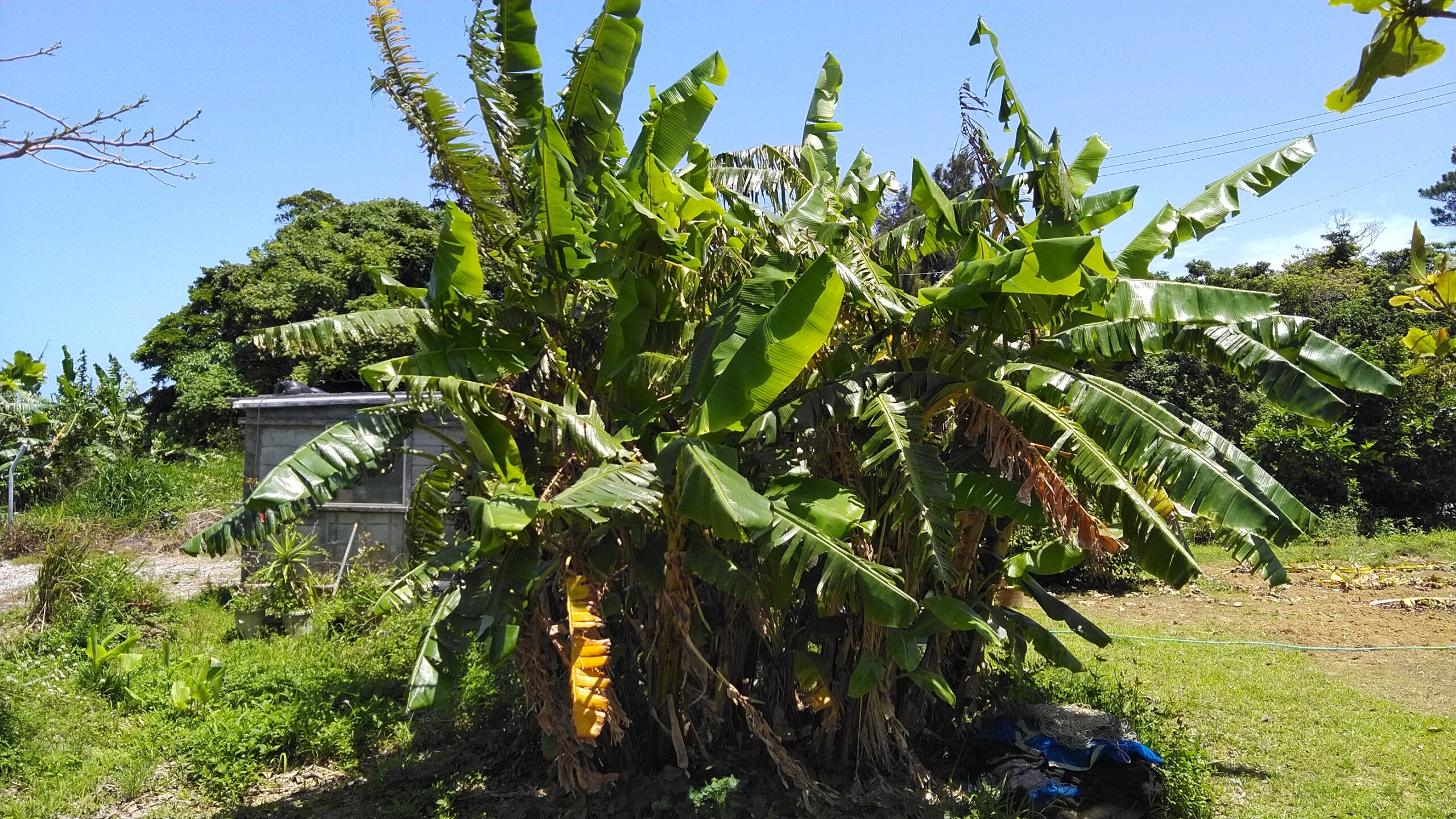
A banana tree near the ruins of Katsuren Castle.

【I’m fine】

In Okinawan language, Ganju (health) and Soibin (I’m doing) are collectively called “Ganju Soibin”.

And in the Miyako dialect,”Pani Pani”.
Panipani! It conveys a lot of energy and sounds pretty.

See you next time.
New

New

Featured articles

Kumamoto

JP info

[Minamioguni Town, Aso District]Information on new facilities and refurbished establishments around Kurokawa Onsen

Discover newly opened facilities and refurbished establishments in and around Kurokawa Onsen (Minamioguni Town, Kumamoto Prefecture). Each spot lies within a 5-10 minute drive from Kurokawa Onsen town, making them easy to visit between hot spring hopping. From new ventures by long-established inns to cafés nestled in lush satoyama landscapes and restaurants dedicated to local ingredients, these spots brim with diverse appeal. Explore them as fresh ways to enjoy Kurokawa Onsen.

Tochigi

JP info

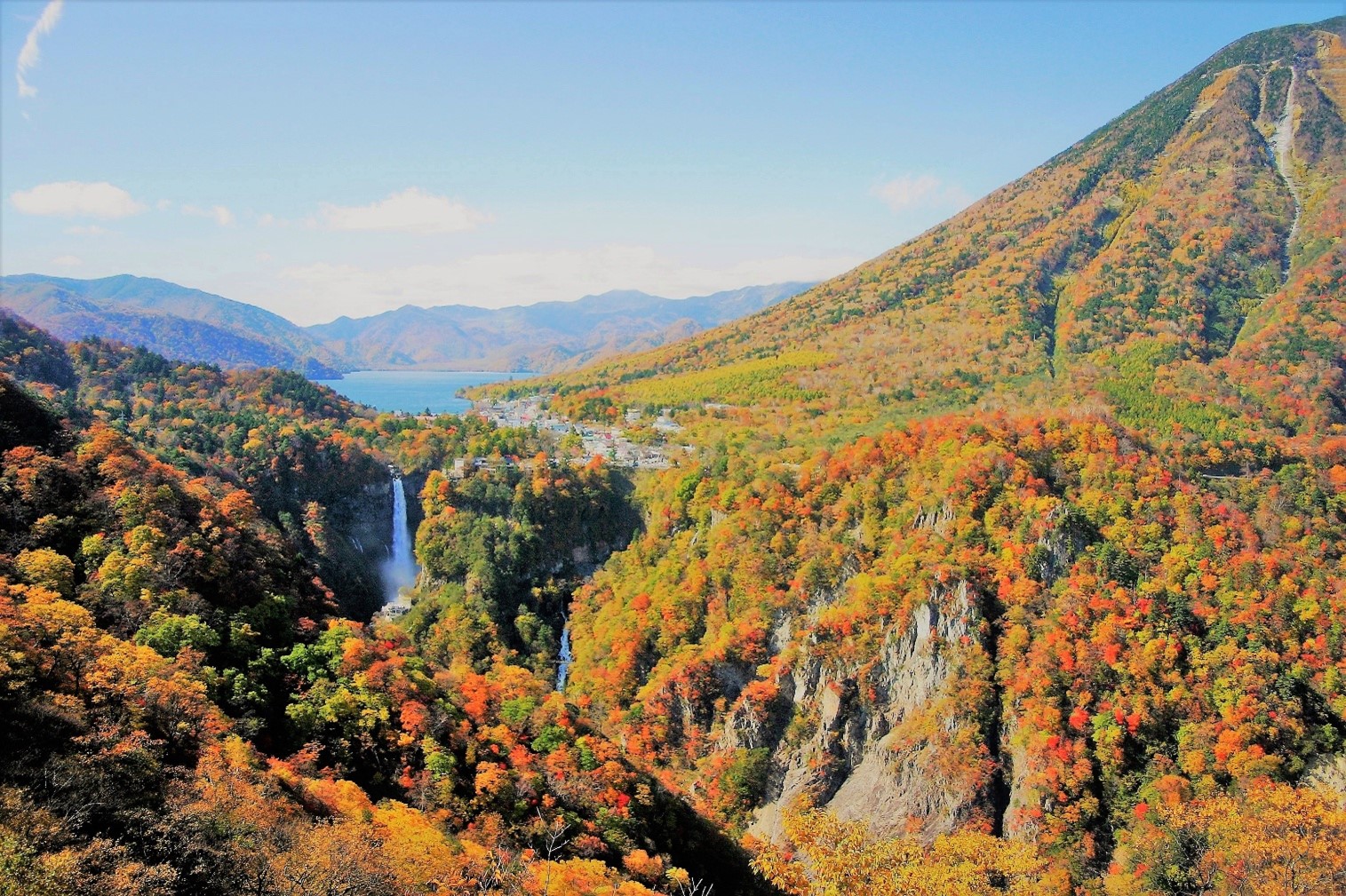
Avoid the traffic and enjoy the autumn colours of Oku-Nikko at dawn: “SPACIA X NIKKO CRUISER’s Early Morning Autumn Foliage Tour” now on sale

From October 2025, we shall commence operations of the high-grade chartered coach ‘SPACIA X NIKKO CRUISER’ as a new secondary transport service within the Nikko area. To commemorate the launch, Tobu Top Tours Co., Ltd. has planned the ‘SPACIA X NIKKO CRUISER Early Morning Autumn Foliage Viewing Journey’, which will go on sale from Friday, 12 September 2025.

Countrywide

Event

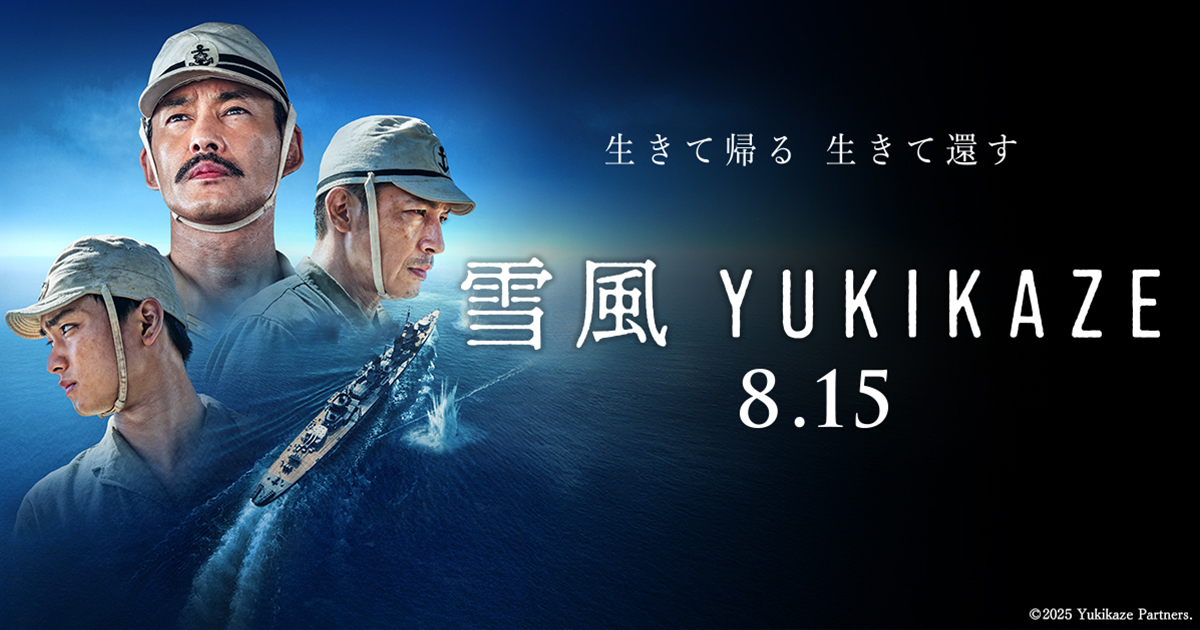
Eighty Years After the War: A Reflection on the Preciousness of Ordinary Life YUKIKAZE – In Theaters Nationwide from August 15, 2025

“To Return Alive, To Bring Others Home Alive”

Opening nationwide on August 15, 2025—marking eighty years since the end of World War II—YUKIKAZE is a feature film based on the true story of the Imperial Japanese Navy (IJN) destroyer Yukikaze, a vessel that rescued countless lives amid the horrors of war. A press screening was held in advance at the Sony Pictures screening room.

The destroyer Yukikaze, which served throughout the Pacific War, was renowned for rescuing numerous sailors thrown into the sea during fierce naval battles, surviving to the end of the war virtually unscathed. It earned the legendary moniker “the lucky ship.” This film brings to life the ship’s heroic journey, alongside the lives of those who persevered through one of the most turbulent eras in modern history.

Leading the cast is Yutaka Takenouchi as Captain Kazutoshi Terasawa—a fictional amalgamation inspired by the real-life captains of Yukikaze. Hiroshi Tamaki portrays Petty Officer First Class Kohei Hayase. Supporting roles are delivered by an ensemble of acclaimed actors including Daiken Okudaira, Rena Tanaka, Kanji Ishimaru, and Toru Masuoka. Kiichi Nakai delivers a commanding performance as Vice Admiral Seiichi Itō, the Second Fleet Commander of the IJN who met his fate aboard the battleship Yamato.
In today’s world, once again shaken by division and violence, YUKIKAZE poses an urgent question to those of us living in the peace that others fought to protect: Are we once again treading the path of past mistakes? As collective memory of the war fades, this film becomes ever more vital—a call to reflect on the true value of peace.

Fukuoka

Event

Restaurant

Takamiya Garden Saryo, Minami-ku, Fukuoka City, 18 Jul (Fri) – 11 Aug (Mon, national holiday) Summer event to feel cooler ‘Summer Lights – NATSU NO HI’ Reservations now being accepted.

The Takamiya Teien Saryo will hold its popular seasonal event “Summer Lights” from 18 July (Fri) to 11 August (Mon) 2025.A special dinner course, prepared exclusively for Summer Lights, featuring an abundance of seasonal fish and summer vegetables to bring out the coolness of summer. The meal finishes with shaved ice with matcha green tea, a summery treat. Please enjoy the dishes that gently add coolness to your summer evening in a relaxed atmosphere.

Hiroshima

Art

Simose Art Museum: “Ambient, Environment, Circumstances – The Topography of Contemporary Art”Interview Part II: Ryosuke Yoshimura, Kisei Takahashi, Mario Cristiani, and Stefano Pesce

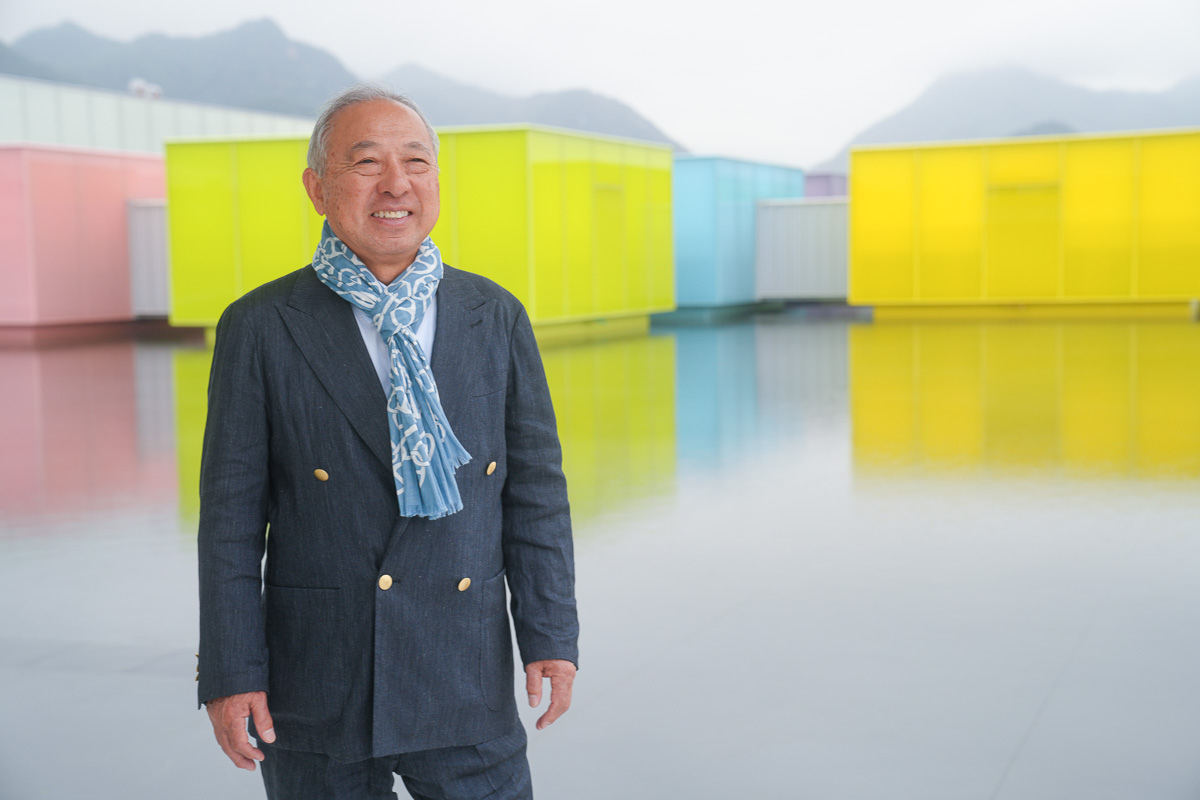
Opened in 2023 in Otake City, Hiroshima Prefecture, the Simose Art Museum sits on the shores of the Seto Inland Sea, facing the sacred island of Itsukushima. Designed by globally acclaimed architect Shigeru Ban, the museum rose to international prominence when it was awarded the Versailles Prize in December 2024 as the ‘World’s Most Beautiful Museum,’ drawing significant global attention.

To commemorate this achievement, the museum launched its first-ever contemporary art exhibition, Ambient, Environment, Circumstances – The Topography of Contemporary Art, which runs from April 26 to July 21, 2025. Within just ten days of opening, the exhibition surpassed 10,000 visitors—a record-breaking turnout for the museum.

Featuring works by emerging artists born between 1980 and 2000, primarily from across Asia, this special exhibition marks a bold new chapter for the museum as it ventures into contemporary territory.

Following our previous interview, HYAKKEI continues its coverage with insights from Ryosuke Yoshimura, Representative Director of Simose Art Museum; Kisei Takahashi, Board Director of the museum; Mario Cristiani, co-founder of Italy’s leading gallery Galleria Continua; and Stefano Pesce, Advisor of the Mark Tobey Committee CMT.

Hiroshima

Art

Simose Art Museum: “Ambient, Environment, Circumstances – The Topography of Contemporary Art”Interview Part I: Chief Curator Keita Saito

Opened in 2023 in Otake City, Hiroshima Prefecture, the Simose Art Museum sits on the shores of the Seto Inland Sea, facing the sacred island of Itsukushima. Designed by globally acclaimed architect Shigeru Ban, the museum rose to international prominence when it was awarded the Versailles Prize in December 2024 as the ‘World’s Most Beautiful Museum,’ drawing significant global attention.

To commemorate this achievement, the museum launched its first-ever contemporary art exhibition, Ambient, Environment, Circumstances – The Topography of Contemporary Art, which runs from April 26 to July 21, 2025. Within just ten days of opening, the exhibition surpassed 10,000 visitors—a record-breaking turnout for the museum.

Featuring works by emerging artists born between 1980 and 2000, primarily from across Asia, this special exhibition marks a bold new chapter for the museum as it ventures into contemporary territory.

HYAKKEI visited the exhibition shortly after its opening and sat down with Chief Curator and artist Keita Saito for an in-depth interview. “I wanted this project to challenge the current condition of the Japanese art world,” Saito noted.

Pick Up

Pick Up