Uchina Stay Report vol.9: “Exploring the Secret of the Salt of Life ~ Underwater Road and Sugar Cane Field, Part 2 ~”

There is something in Okinawa that fascinates many people.

People will be attracted to the existence of “Okinawa”, which is a mixture of beautiful sea, warm climate, unique history, culture and customs, words, buildings, sounds and music of the sanshin, food, and the personality of Okinawans.

However, on the other hand, there are some things that Okinawa does not have. I’m from Tohoku, but I’m sometimes envious of Uchinanchu (Okinawa people).

The first time I experienced it was on the bank.

When I couldn’t understand it, he explained, “Okinawa doesn’t have a big river.” The bank as the embankment is very rare, and it seems that it was a longing scenery.

Neither big mountains nor snowy landscapes can be seen in Okinawa. You won’t be able to experience the freezing cold in Okinawa. You may say that rice and food are better in Tohoku.

I left my hometown and learned about my hometown. If you live longer, you may not understand the goodness of the land.

People who like traveling may be traveling in search of “the identity of the place where they live”.

Now, this time, I would like to finally approach the “secret of Nuchimasu”. We will also introduce unexpected superb views and power spots near the Nuchimasu Factory.

What is the difference between the best salt in the world?

By the way, what is “Nuchima-su”? In the Okinawan dialect, “life” is called “nuchi” and “salt” is called “masu”.

“Salt of life”. Sure, salt is an essential part of the body, but what makes it different from other salts?
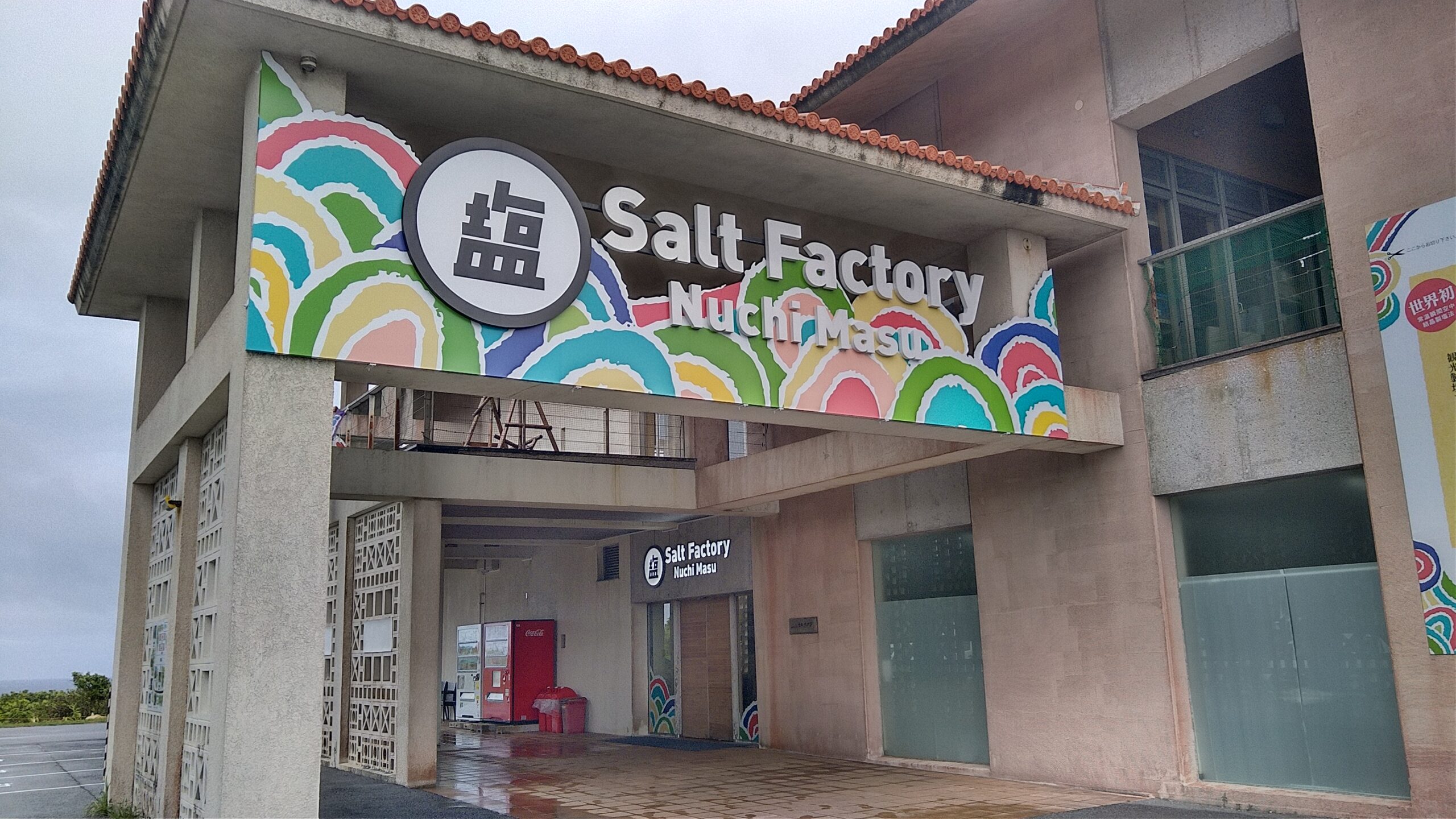
Nuchimasu Salt Factory. There are also shops and cafes.

The secret was in how to make it. Common salt making is done by boiling seawater in a kiln, drying the seawater in the sun, or passing electricity through the seawater.

However, Noguchima has a unique method called “normal temperature instant aerial crystal salt making method”. Although it is a long name, this technology was invented by Masakatsu Takayasu, president of Nuchimasu Co., Ltd.
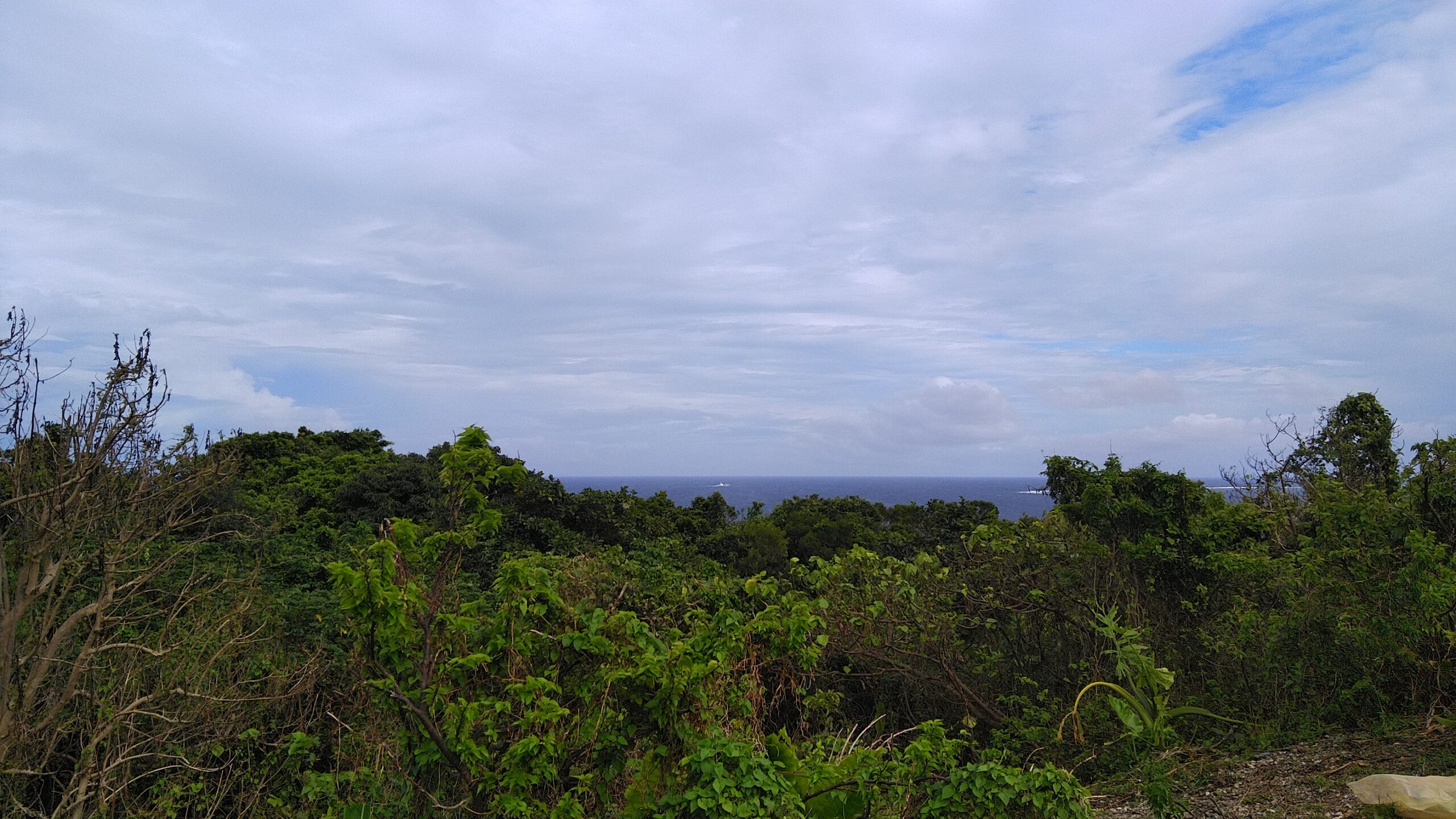
Trees and the sea from the back of the factory. Unfortunately, the majesty of nature was transmitted even in the cloudy sky.

With this technology, it is possible to leave the entire “minerals” in seawater that would be lost by other salt-making methods.

By applying warm air to the seawater that has been made into a fine mist by a special machine, “only the water” is evaporated and the salt and minerals are crystallized in their entirety.
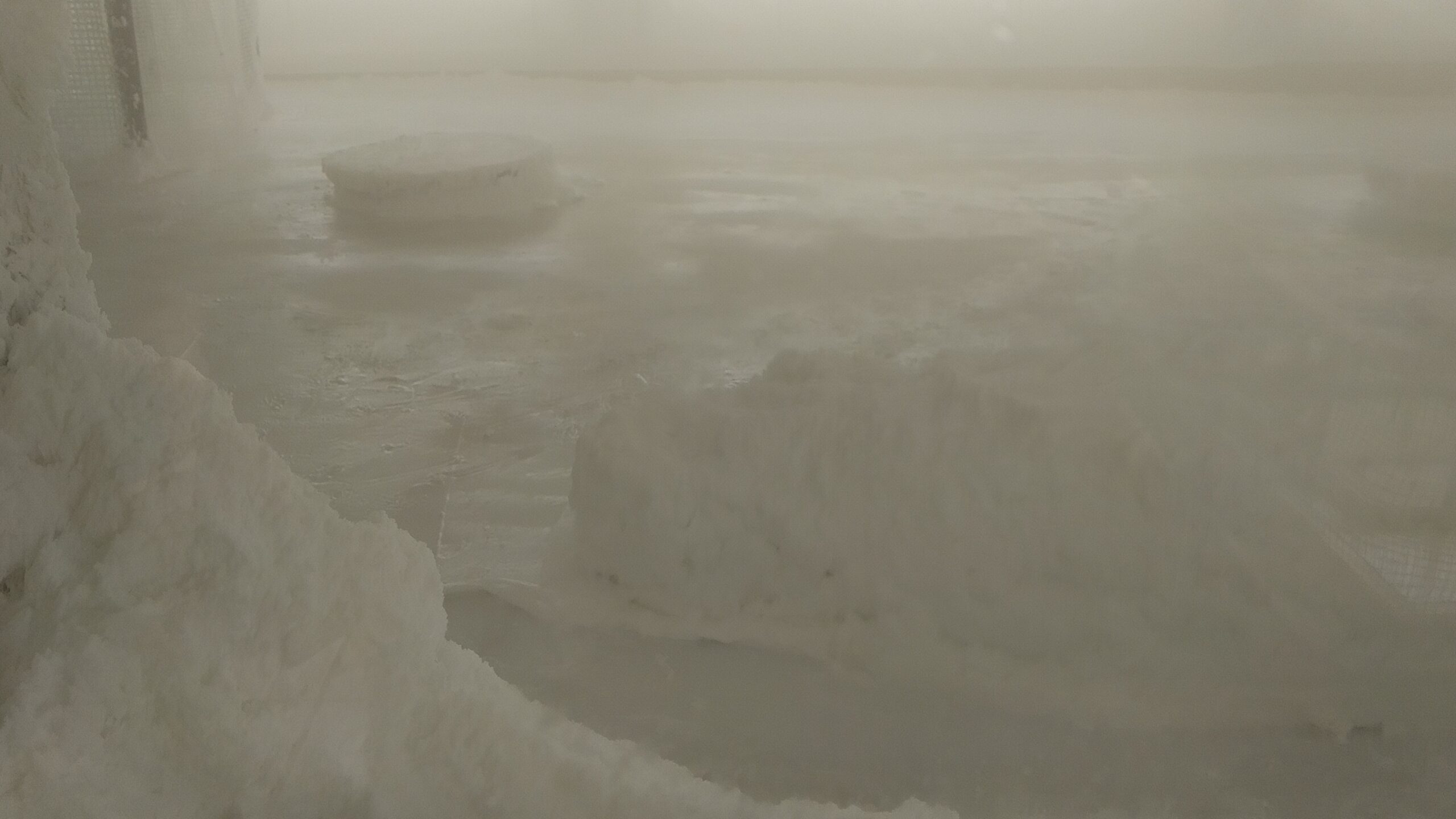
Salt making room. It looks like a snowy landscape, but it's hot inside because it uses warm air.

The raw material, seawater, is almost unaffected by agriculture, industry, and domestic wastewater on Miyagi Island, and is taken from places where new clean seawater constantly flows in due to the influence of the Kuroshio Current.

The sea, the source of all life. It seems that the salt and mineral components contained in seawater have almost the same balance as the amniotic fluid in which human blood and foets grow.
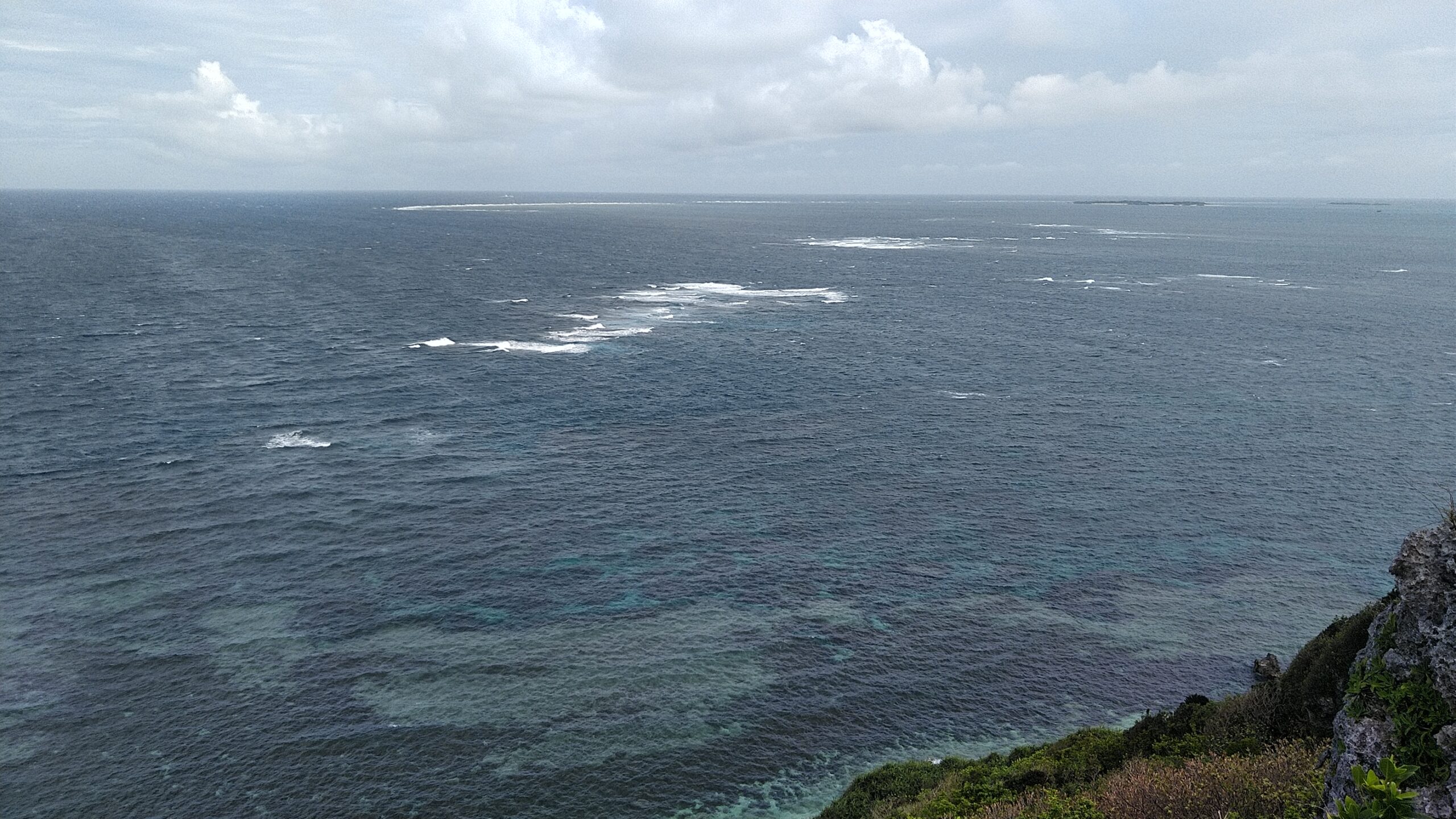
The Pacific Ocean is taking in seawater, which is a raw material.

It changes the concept of “salt” that salt does not accumulate in the body by not only supplementing salt but also supplementing minerals necessary for the body and containing a lot of minerals (potassium) that discharge excess salt. It was exactly the “salt of life”.

Those who are interested are also selling online, so please try it.
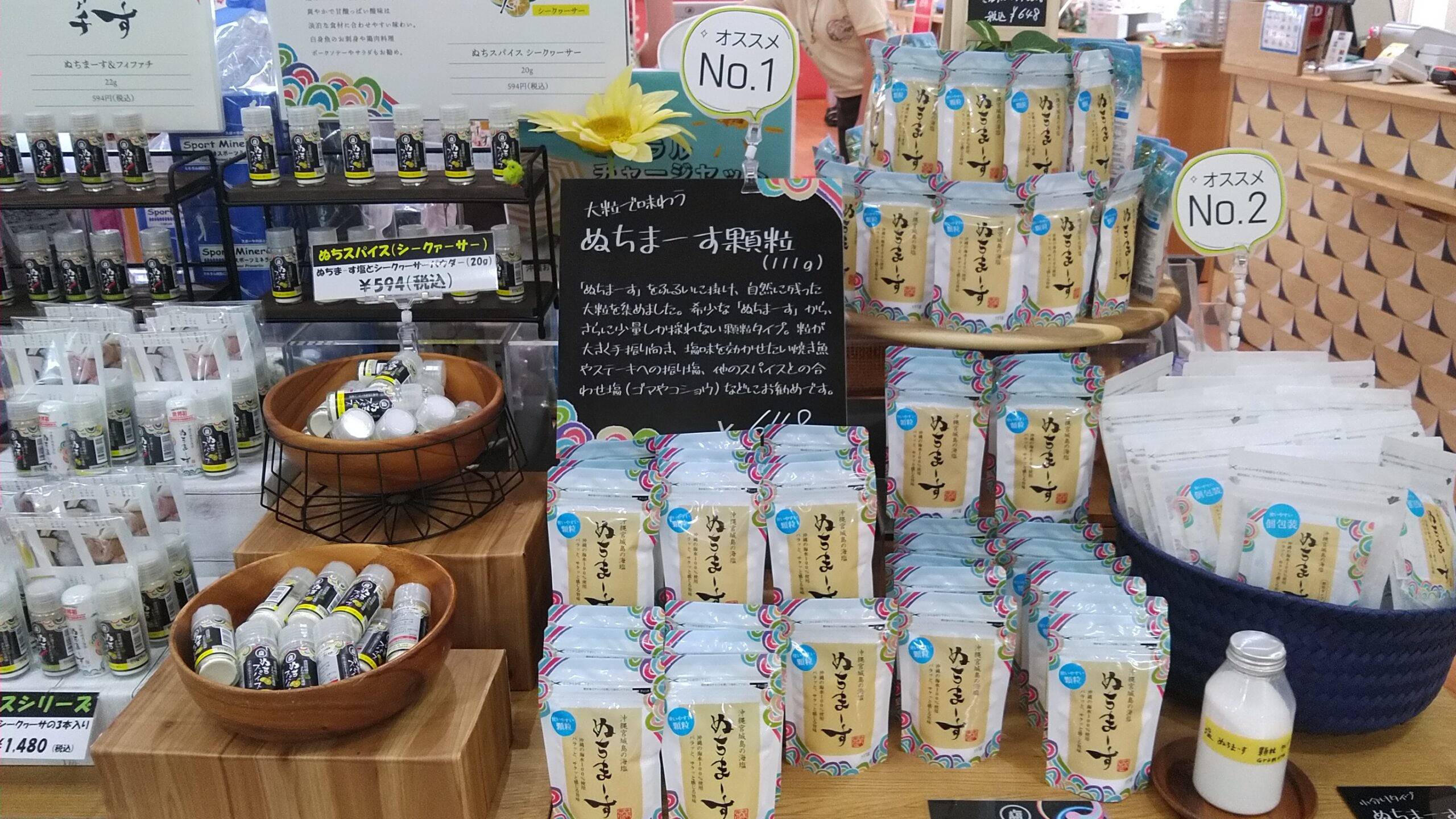
The secret of Nuchimasu is also outdoors

By the way, there are some highlights around the factory, so I decided to go there.
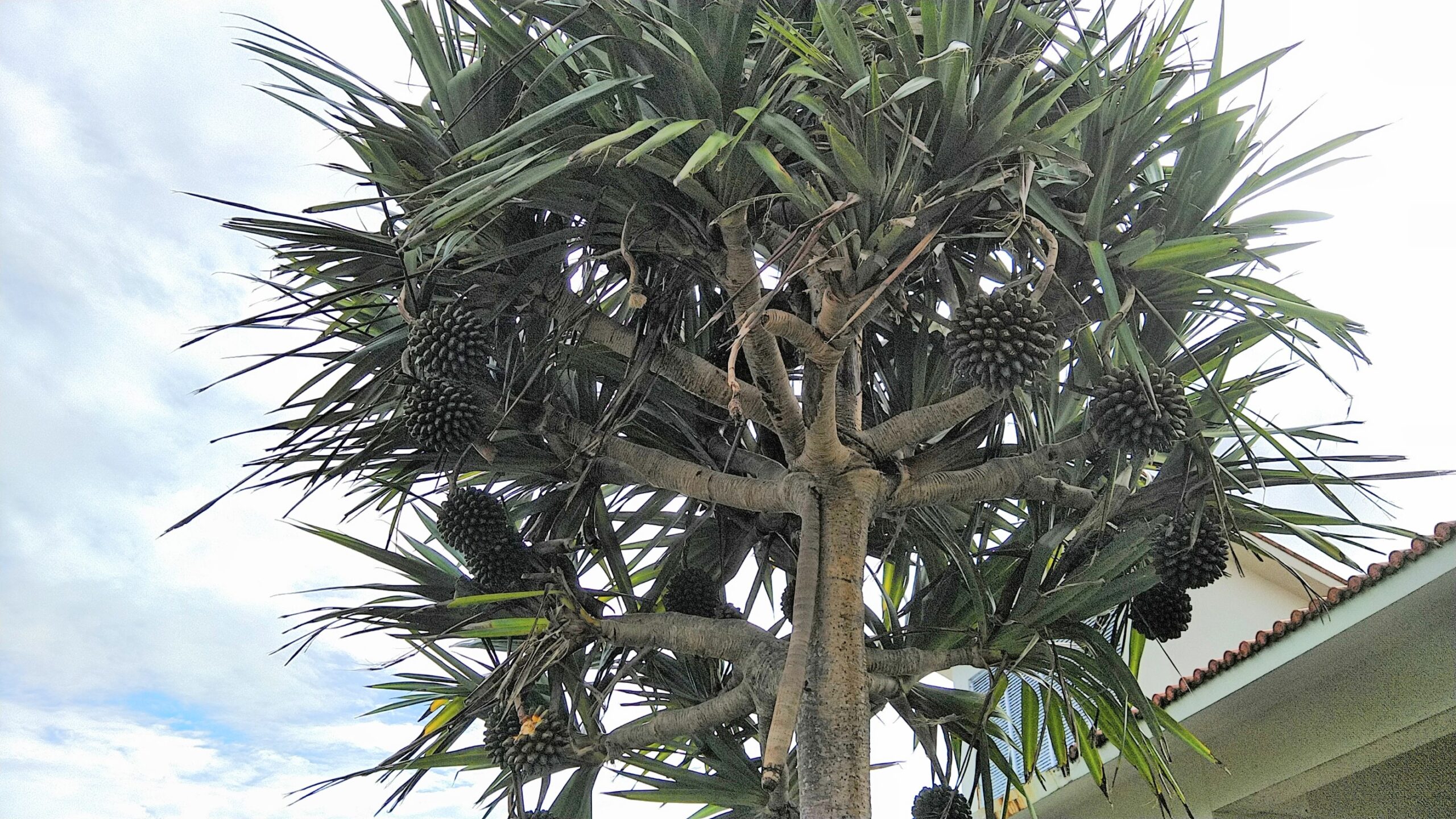
It looks like a pineapple, but it is a tree called “Takonoki” and the fruits are not as sweet as pineapples.

It is said to be boiled and edible, or used as a raw material for cooking oil.
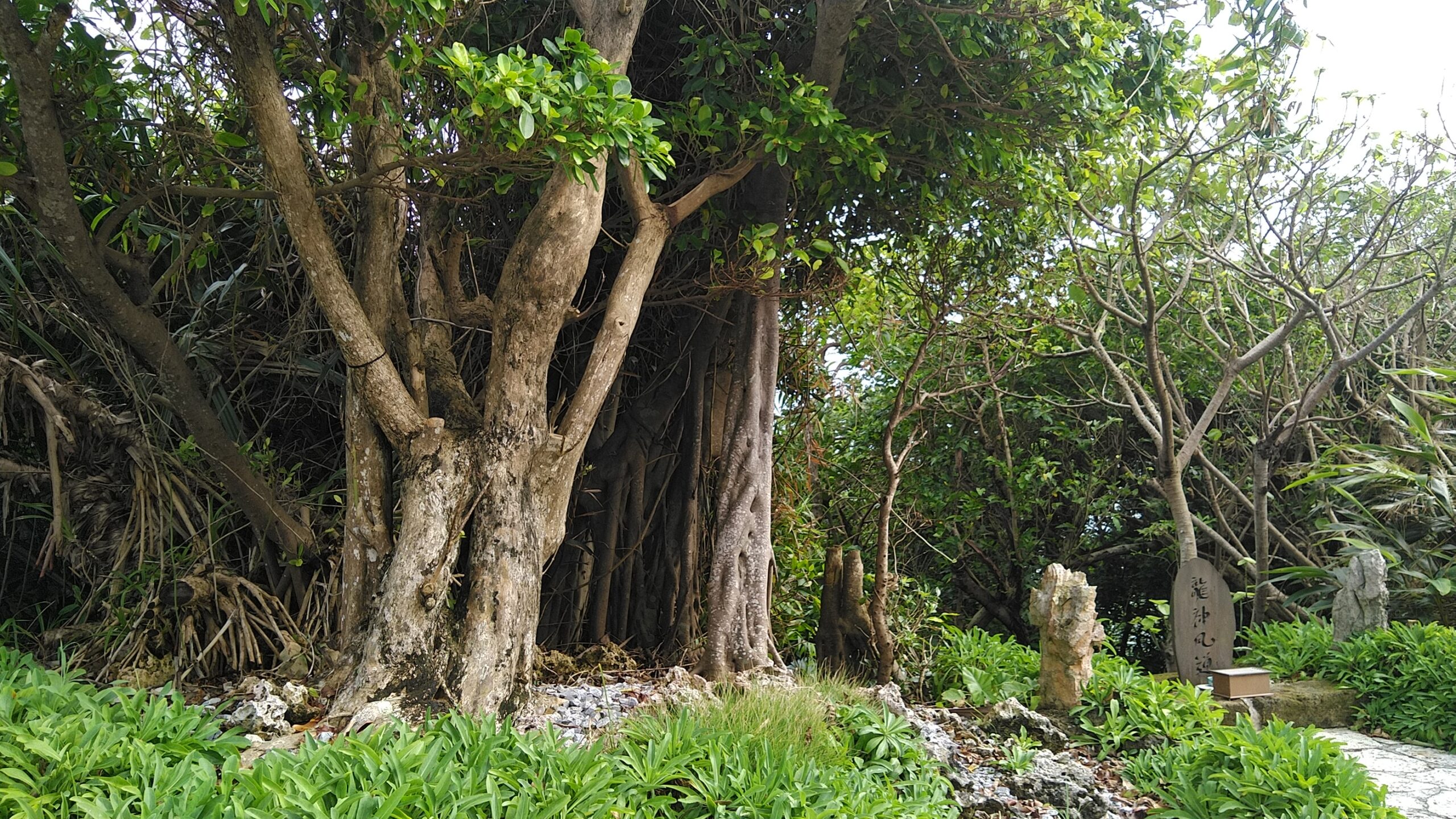
This is a place called “Ryujin Fudo”.

It seems that it is a very good power spot on the street of energy.
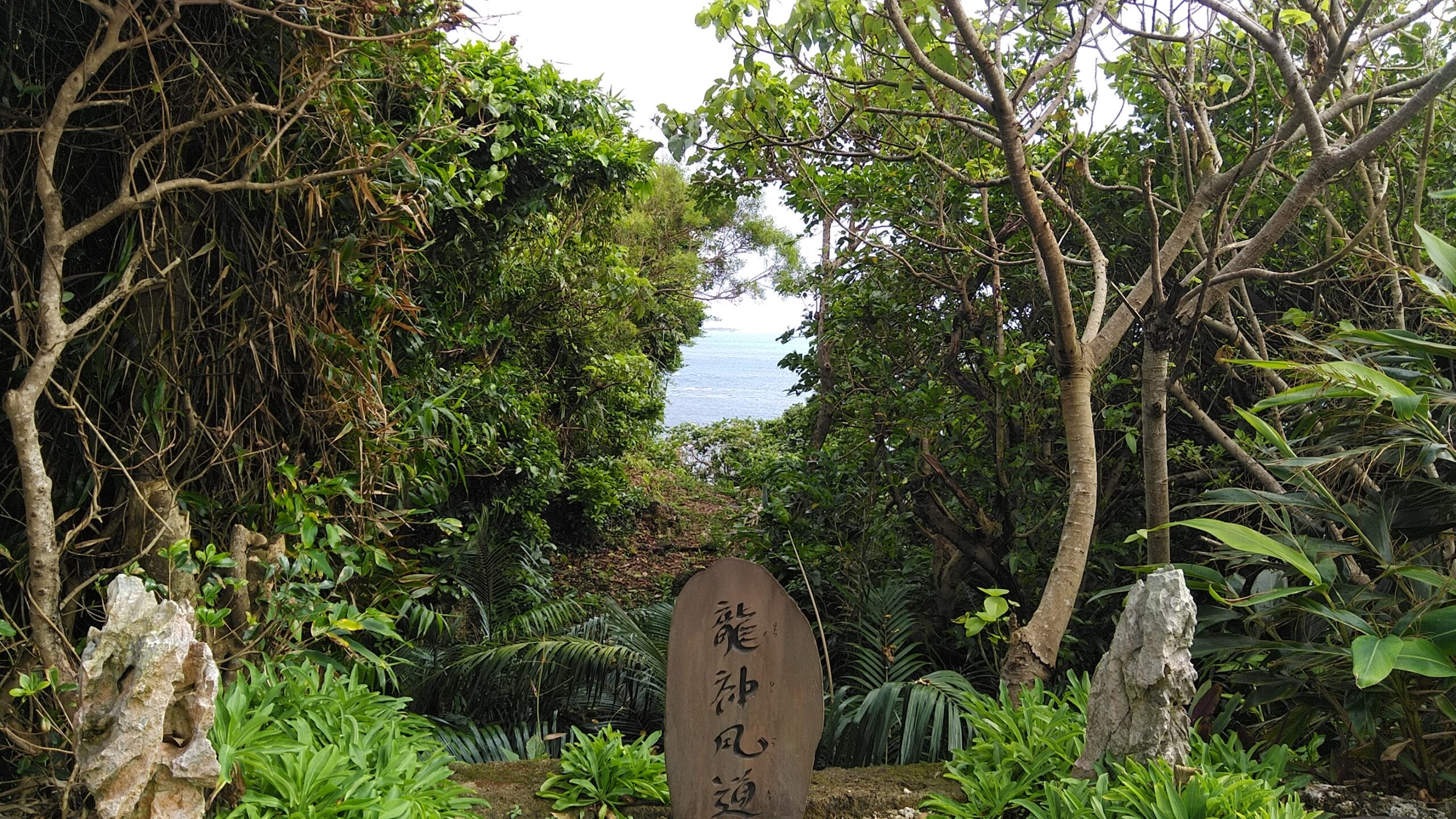
If you stand here, you will see a warm, pleasant breeze coming in gently.

I had never been to a place called a power spot, but I was surprised to find something warm like energy.

The island “Hamahigajima” where the gods live and the sacred island “Kudakajima” of Okinawa, which was introduced in the first part, are in line with this Ryujin Fudo. is.
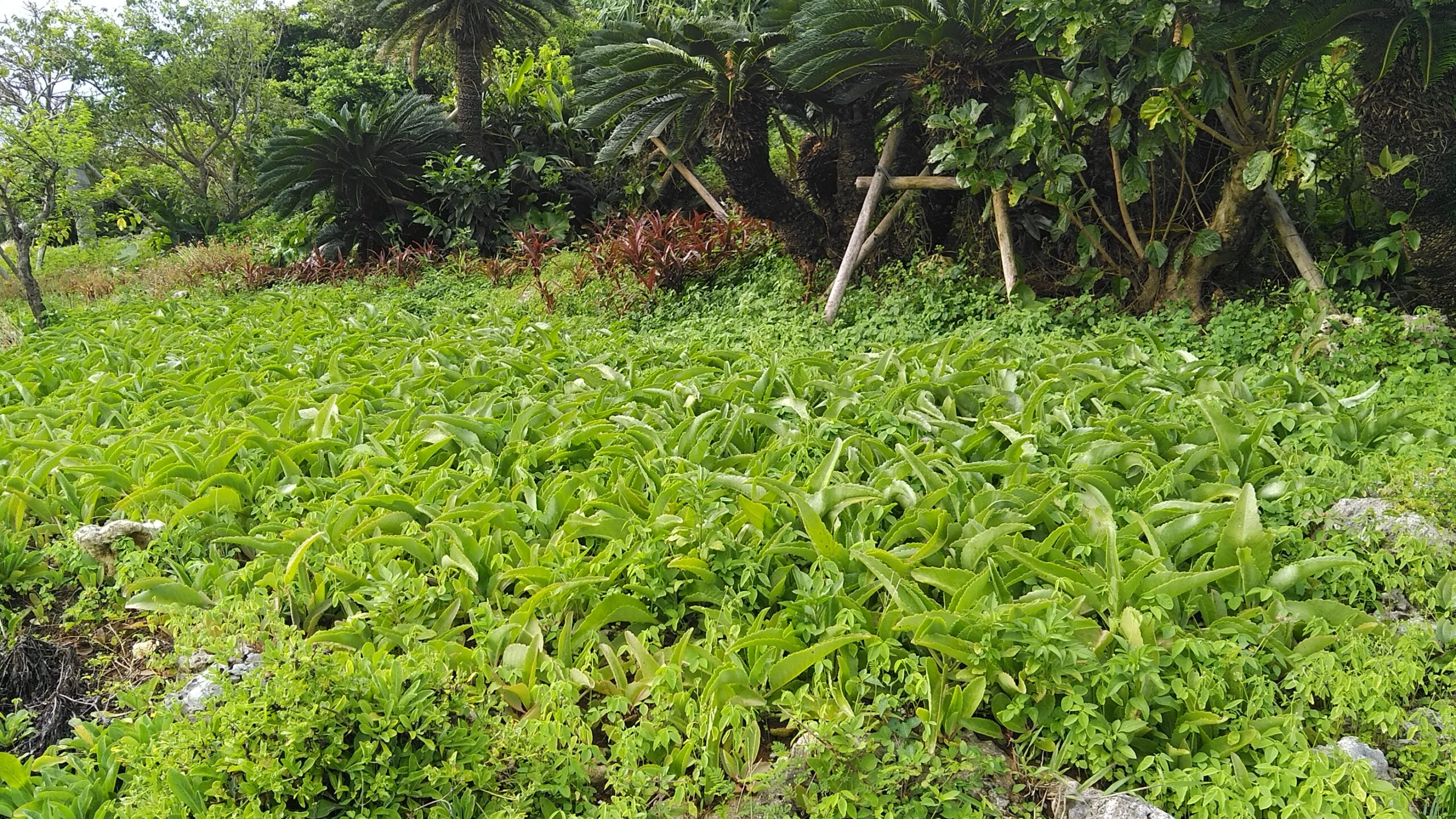
Hylotelephium vulgaris. It is also called "child treasure grass" because of the way it breeds. In December, the bright red flowers in the shape of bells come in bloom.
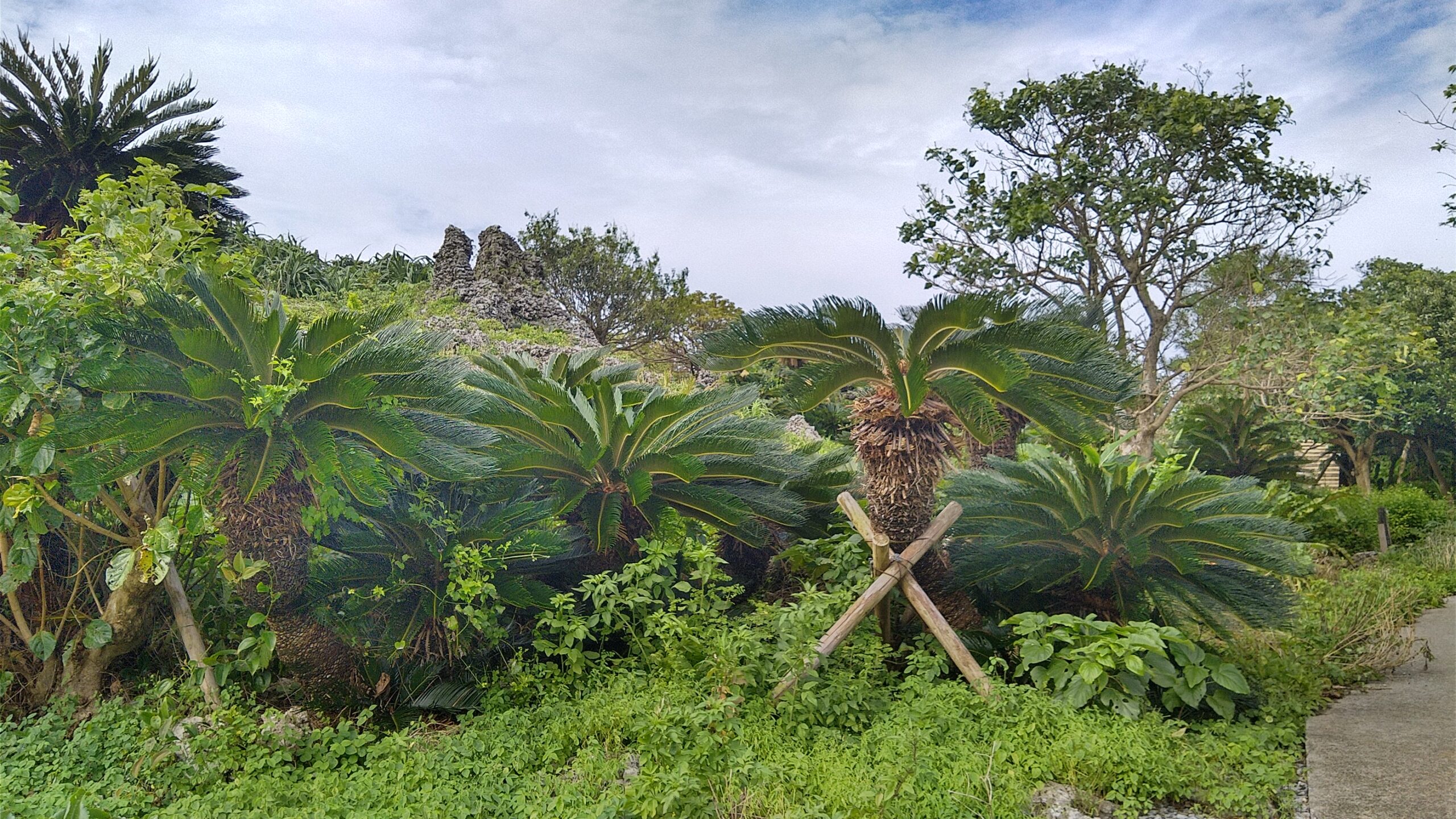
The grounds are like a garden and are named “Nuchiuna”. “Una” was originally the courtyard square in front of Shurijo Castle.

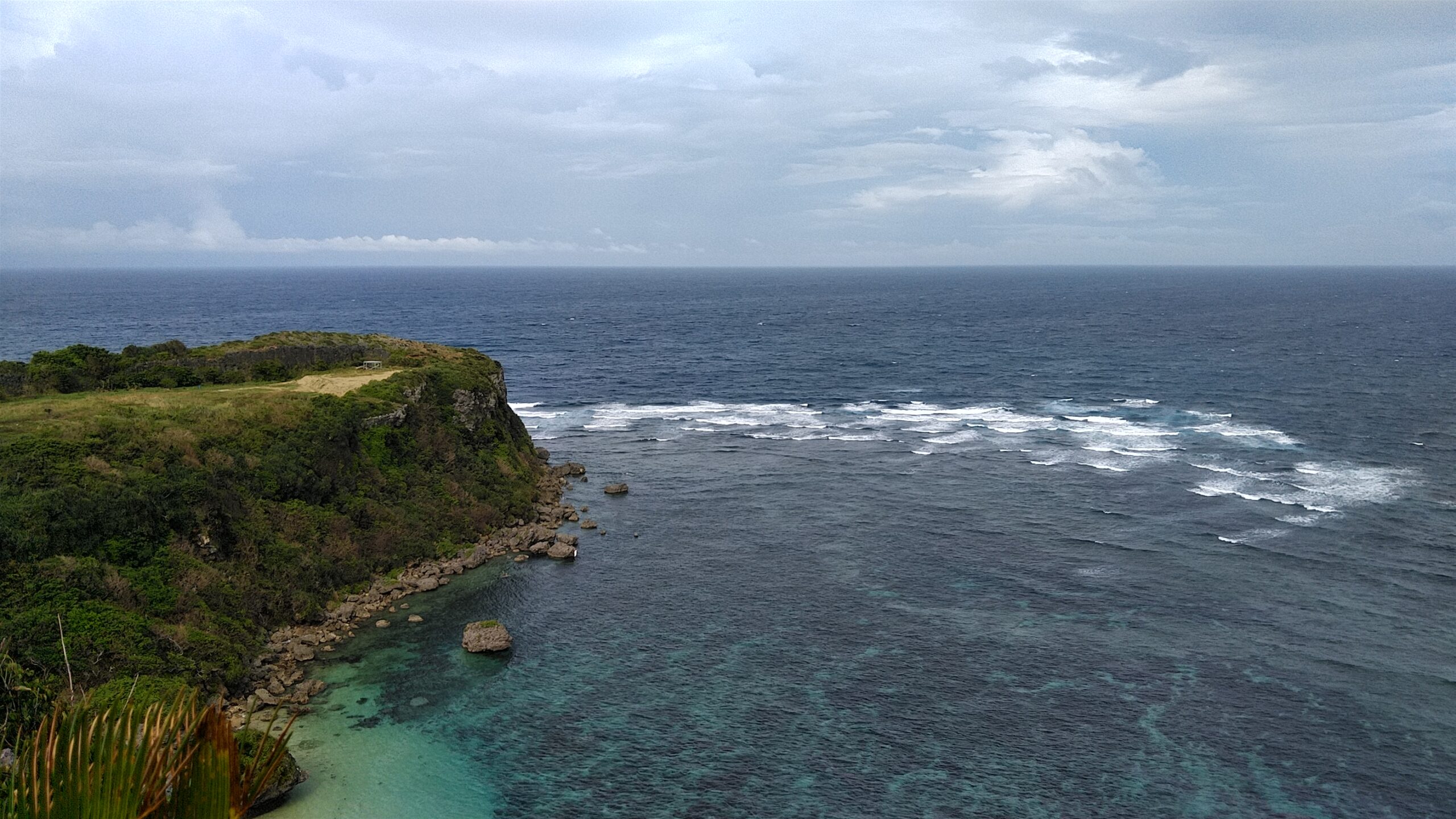
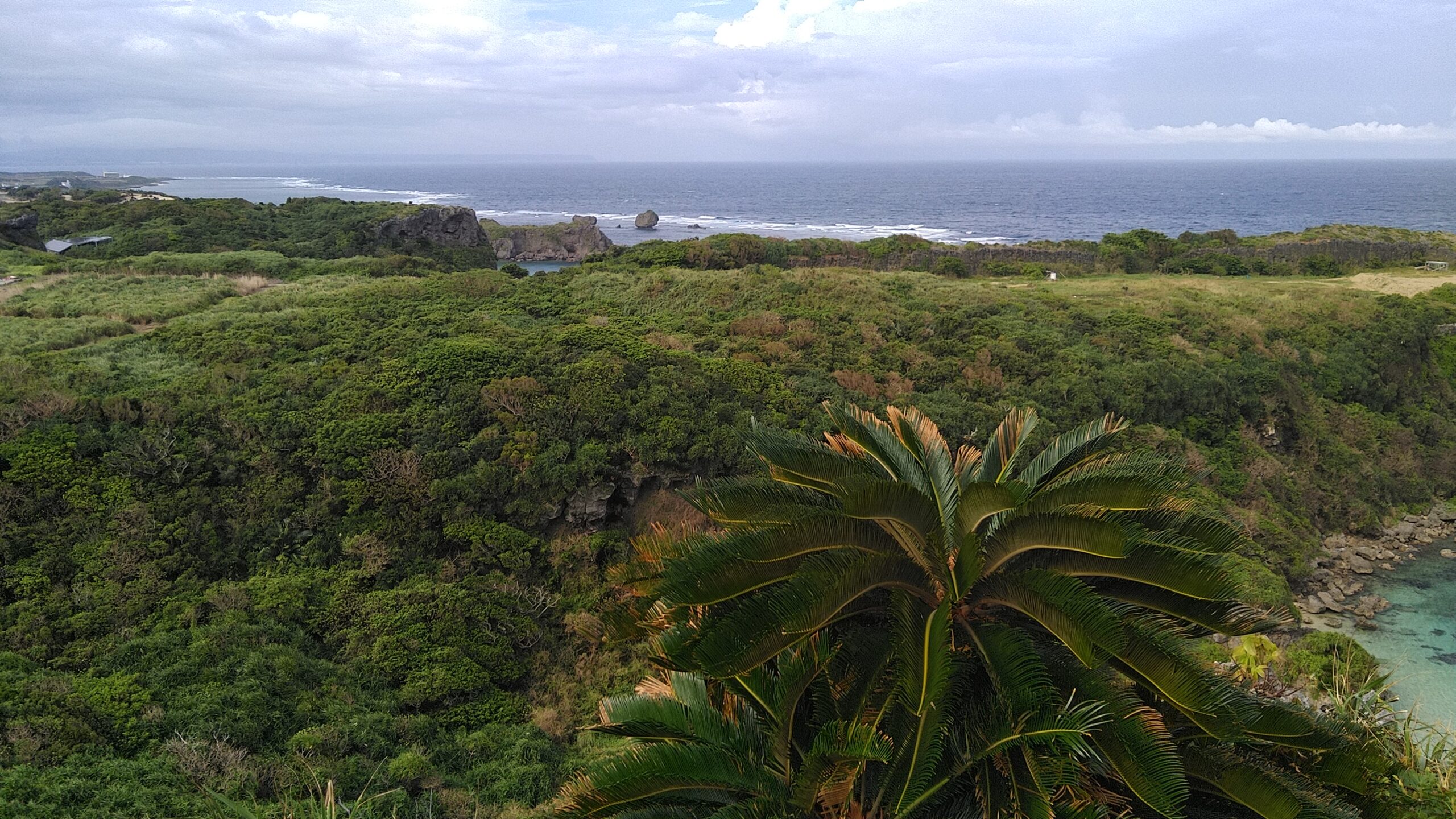
Then, as I passed through the overgrown trees, I was able to meet an unexpected and spectacular view.
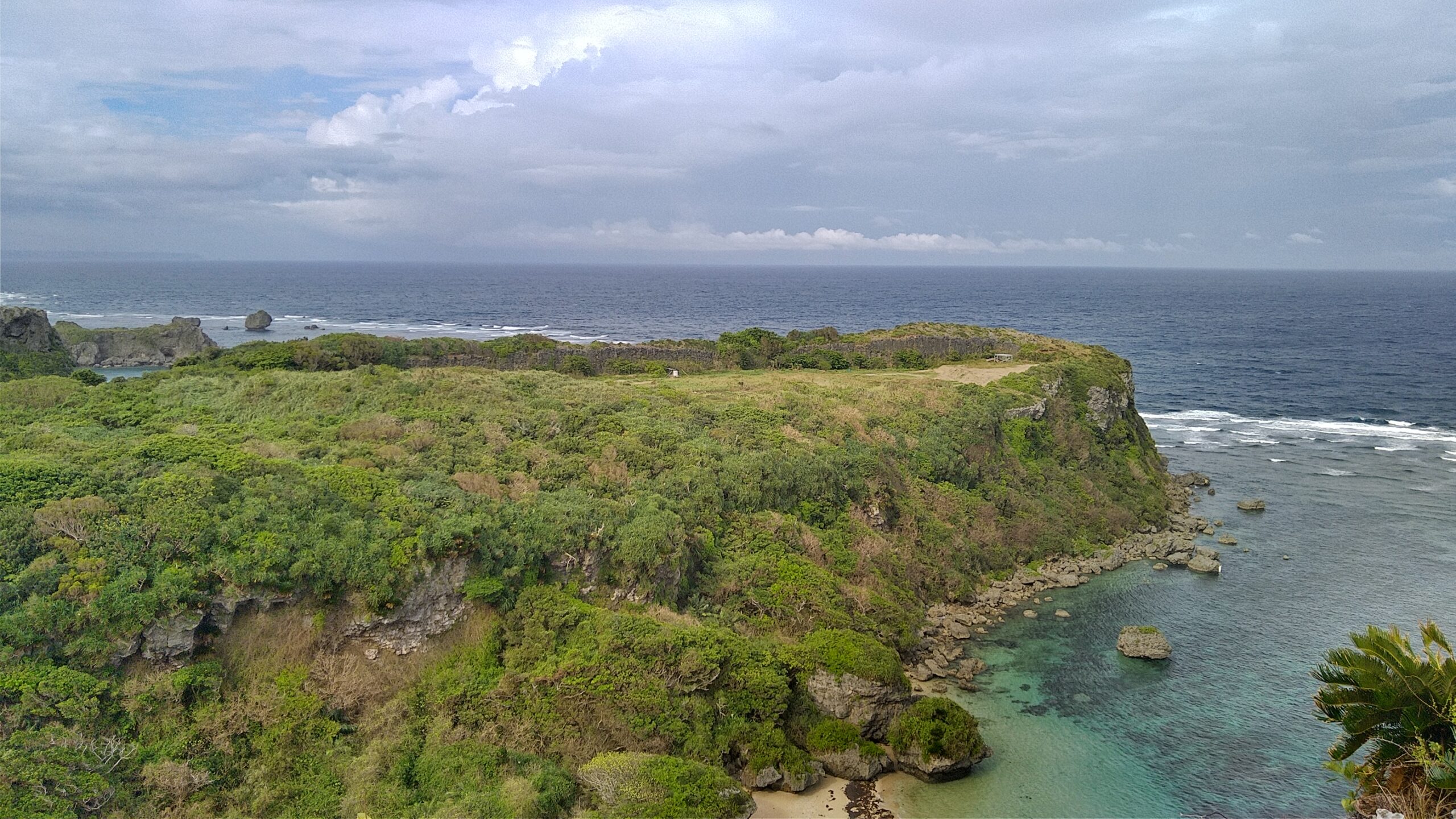
Kafu Banta

The result is “happiness” and Banta is “cape”. Sea turtles come to spawn on the beach of the cove on a full moon night.

At the Nuchimasu Salt Factory, the staff will explain the salt making process carefully. It’s hard to have such an experience after becoming an adult. It seemed that the excitement of my curiosity when I was in elementary school was revived.

Even so, I didn’t think that “salt” was so profound.

Moreover, it was a wonderful place where you can wash your heart and receive energy in the beautiful sea.
Encounter with Yanbaru coffee

“Nuchimasu Kanko Shio Factory” also has a cafe.

Finally, I would like to introduce the sweets and coffee I received there.
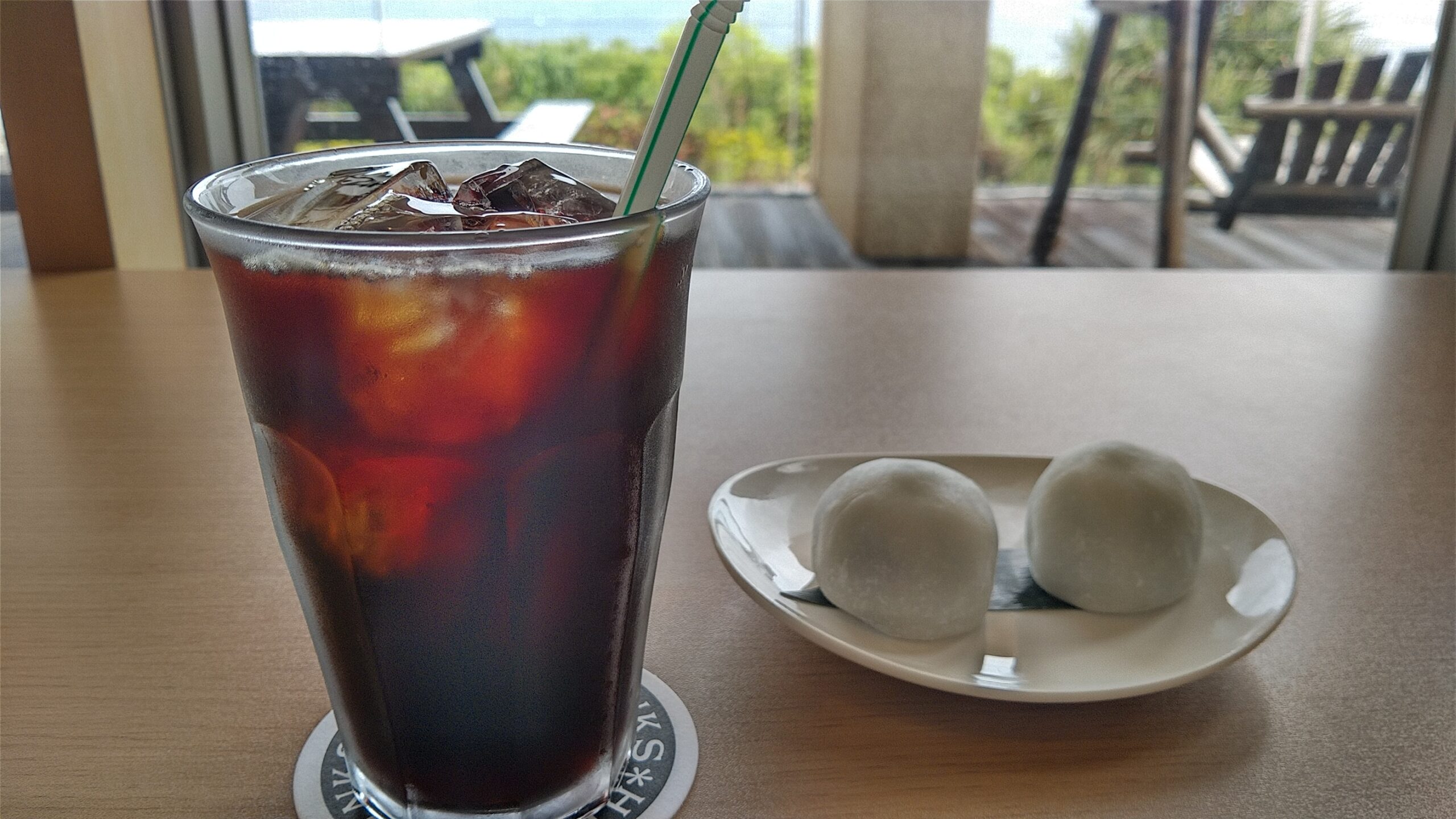
At first glance, it looks like ordinary buns and iced coffee, but “Nuchimasu buns” contain “fresh cream” instead of “an”, which gives the buns a gentle salty taste. Brings out the sweetness.

For iced coffee, we use coffee beans cultivated in “Yambaru (a region where a lot of nature is left in the northern part of the main island of Okinawa)”, which was recently registered as a “World Natural Heritage”.
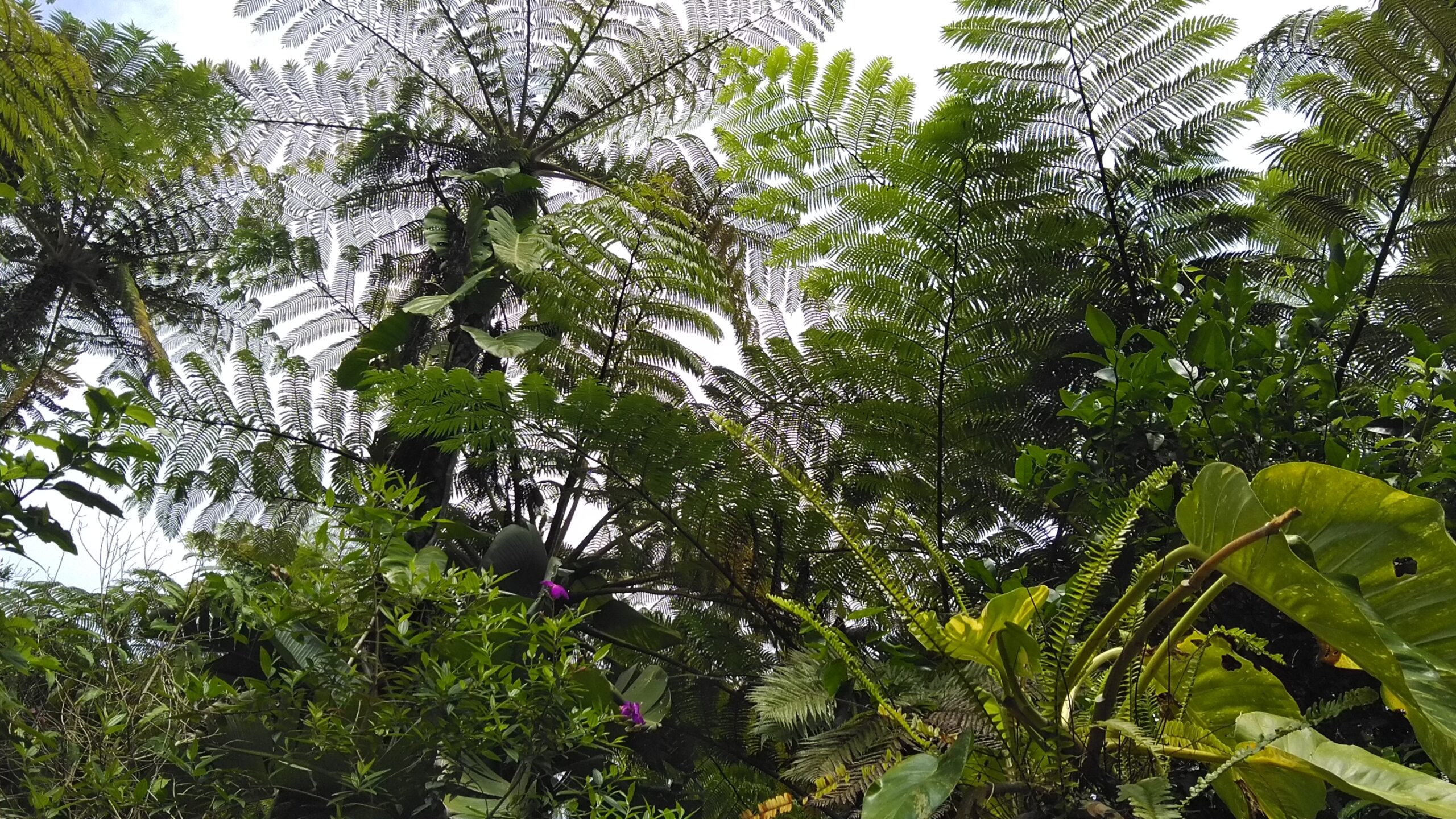
Yanbaru's nature. The fern plant "Hego" is said to have existed since the time when dinosaurs lived.

Yanbaru has the only coffee plantation in Japan, and its coffee beans are very rare.

It was a very delicious iced coffee with a clear and refreshing bitterness.

See you next time.
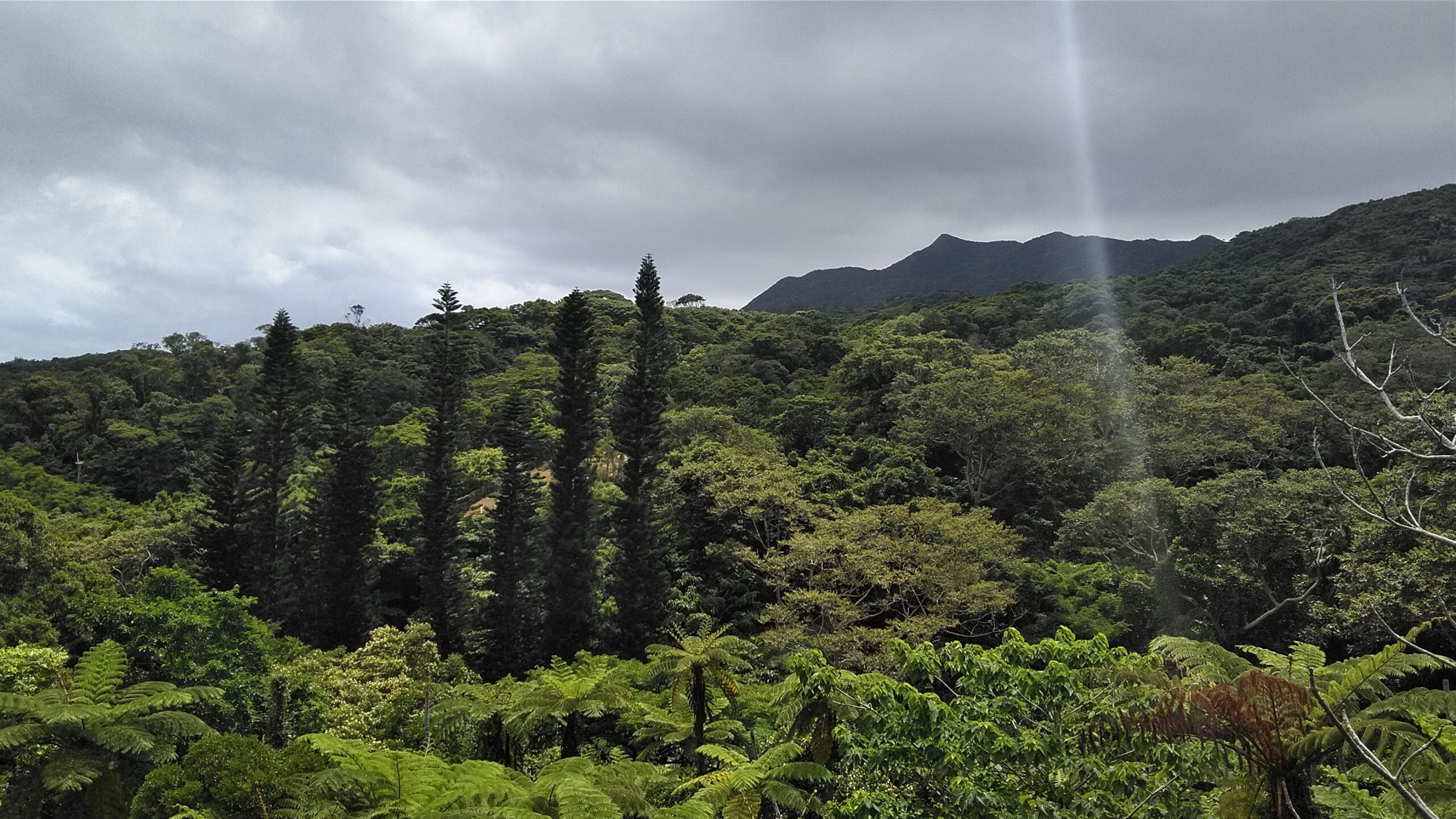
Yambaru mountains.

New

New

Featured articles

Kumamoto

JP info

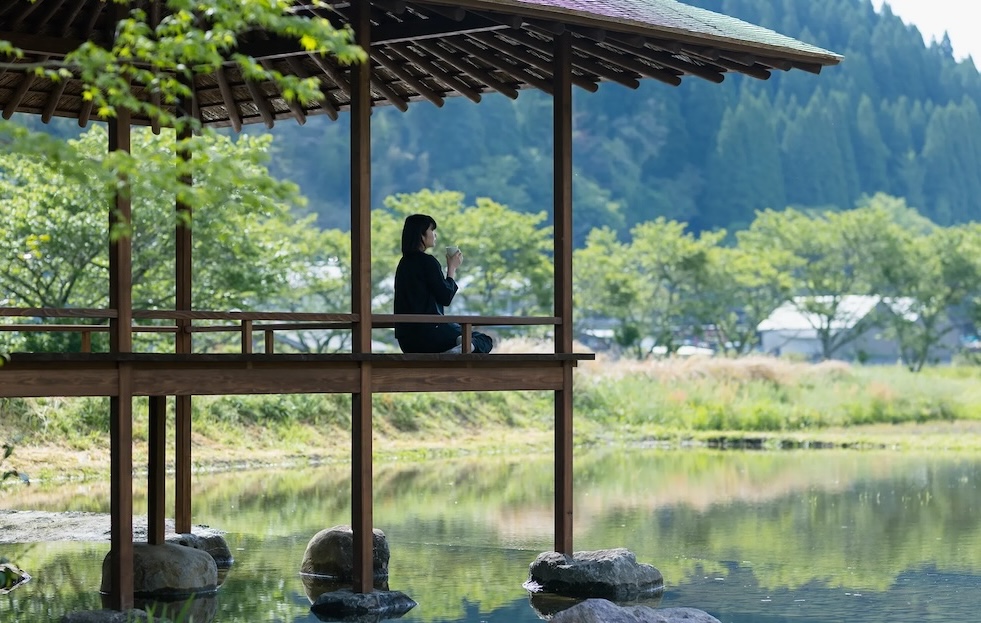
[Minamioguni Town, Aso District]Information on new facilities and refurbished establishments around Kurokawa Onsen

Discover newly opened facilities and refurbished establishments in and around Kurokawa Onsen (Minamioguni Town, Kumamoto Prefecture). Each spot lies within a 5-10 minute drive from Kurokawa Onsen town, making them easy to visit between hot spring hopping. From new ventures by long-established inns to cafés nestled in lush satoyama landscapes and restaurants dedicated to local ingredients, these spots brim with diverse appeal. Explore them as fresh ways to enjoy Kurokawa Onsen.
Tochigi

JP info

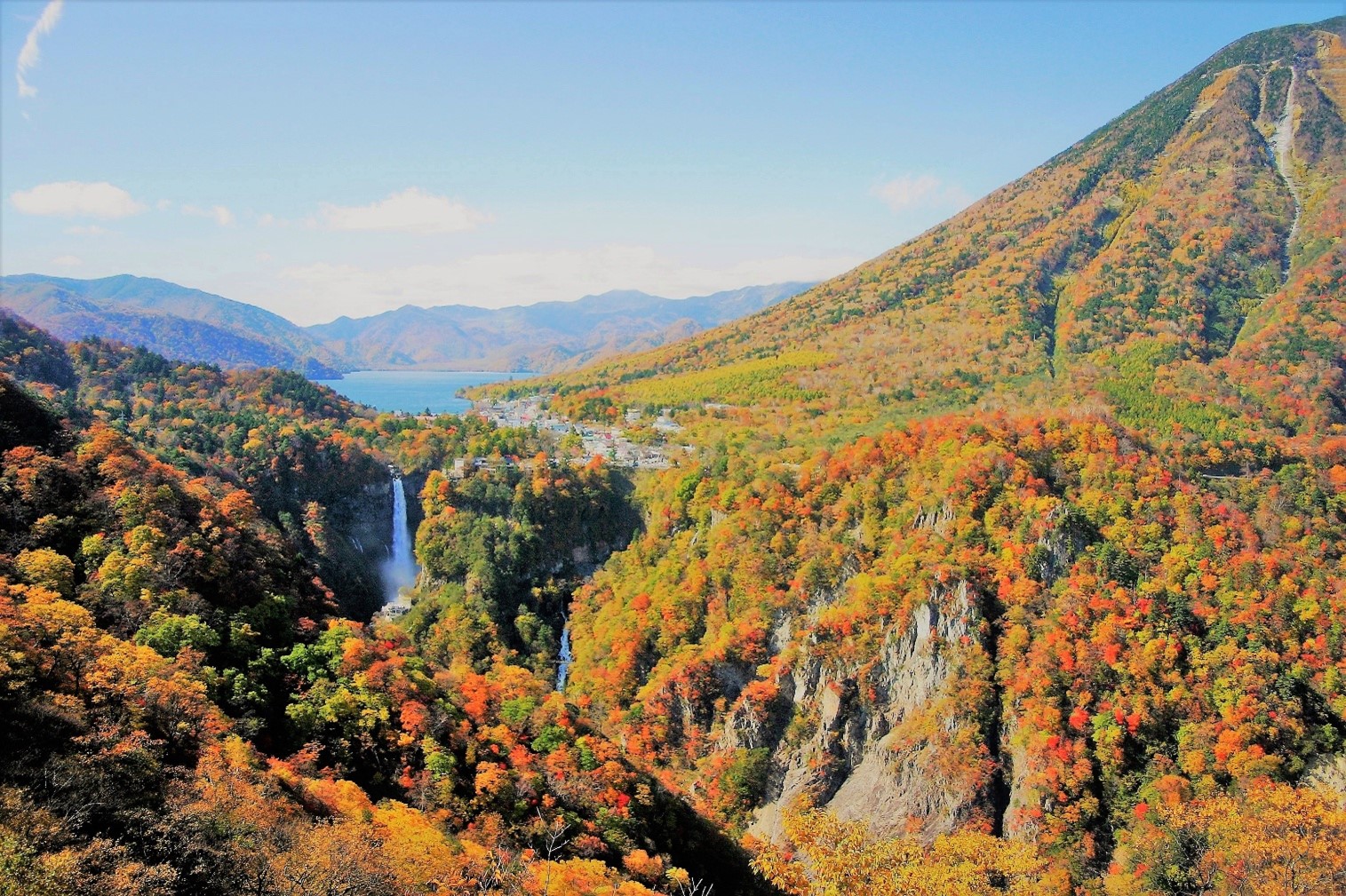
Avoid the traffic and enjoy the autumn colours of Oku-Nikko at dawn: “SPACIA X NIKKO CRUISER’s Early Morning Autumn Foliage Tour” now on sale

From October 2025, we shall commence operations of the high-grade chartered coach ‘SPACIA X NIKKO CRUISER’ as a new secondary transport service within the Nikko area. To commemorate the launch, Tobu Top Tours Co., Ltd. has planned the ‘SPACIA X NIKKO CRUISER Early Morning Autumn Foliage Viewing Journey’, which will go on sale from Friday, 12 September 2025.

Countrywide

Event

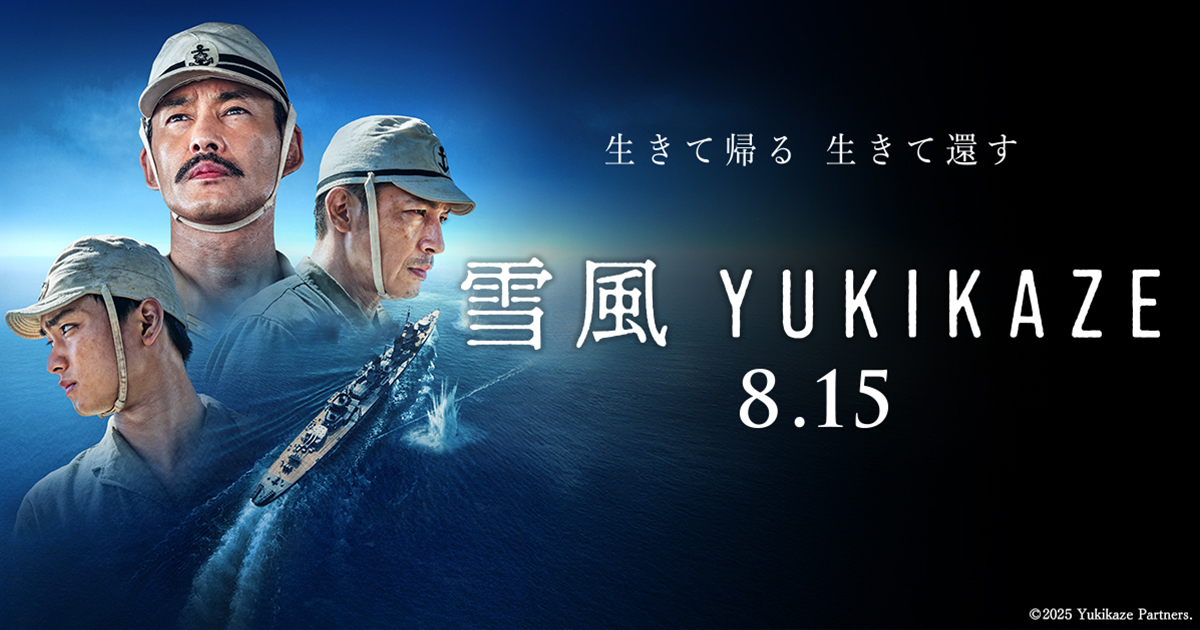
Eighty Years After the War: A Reflection on the Preciousness of Ordinary Life YUKIKAZE – In Theaters Nationwide from August 15, 2025

“To Return Alive, To Bring Others Home Alive”

Opening nationwide on August 15, 2025—marking eighty years since the end of World War II—YUKIKAZE is a feature film based on the true story of the Imperial Japanese Navy (IJN) destroyer Yukikaze, a vessel that rescued countless lives amid the horrors of war. A press screening was held in advance at the Sony Pictures screening room.

The destroyer Yukikaze, which served throughout the Pacific War, was renowned for rescuing numerous sailors thrown into the sea during fierce naval battles, surviving to the end of the war virtually unscathed. It earned the legendary moniker “the lucky ship.” This film brings to life the ship’s heroic journey, alongside the lives of those who persevered through one of the most turbulent eras in modern history.

Leading the cast is Yutaka Takenouchi as Captain Kazutoshi Terasawa—a fictional amalgamation inspired by the real-life captains of Yukikaze. Hiroshi Tamaki portrays Petty Officer First Class Kohei Hayase. Supporting roles are delivered by an ensemble of acclaimed actors including Daiken Okudaira, Rena Tanaka, Kanji Ishimaru, and Toru Masuoka. Kiichi Nakai delivers a commanding performance as Vice Admiral Seiichi Itō, the Second Fleet Commander of the IJN who met his fate aboard the battleship Yamato.

In today’s world, once again shaken by division and violence, YUKIKAZE poses an urgent question to those of us living in the peace that others fought to protect: Are we once again treading the path of past mistakes? As collective memory of the war fades, this film becomes ever more vital—a call to reflect on the true value of peace.

Fukuoka

Event

Restaurant

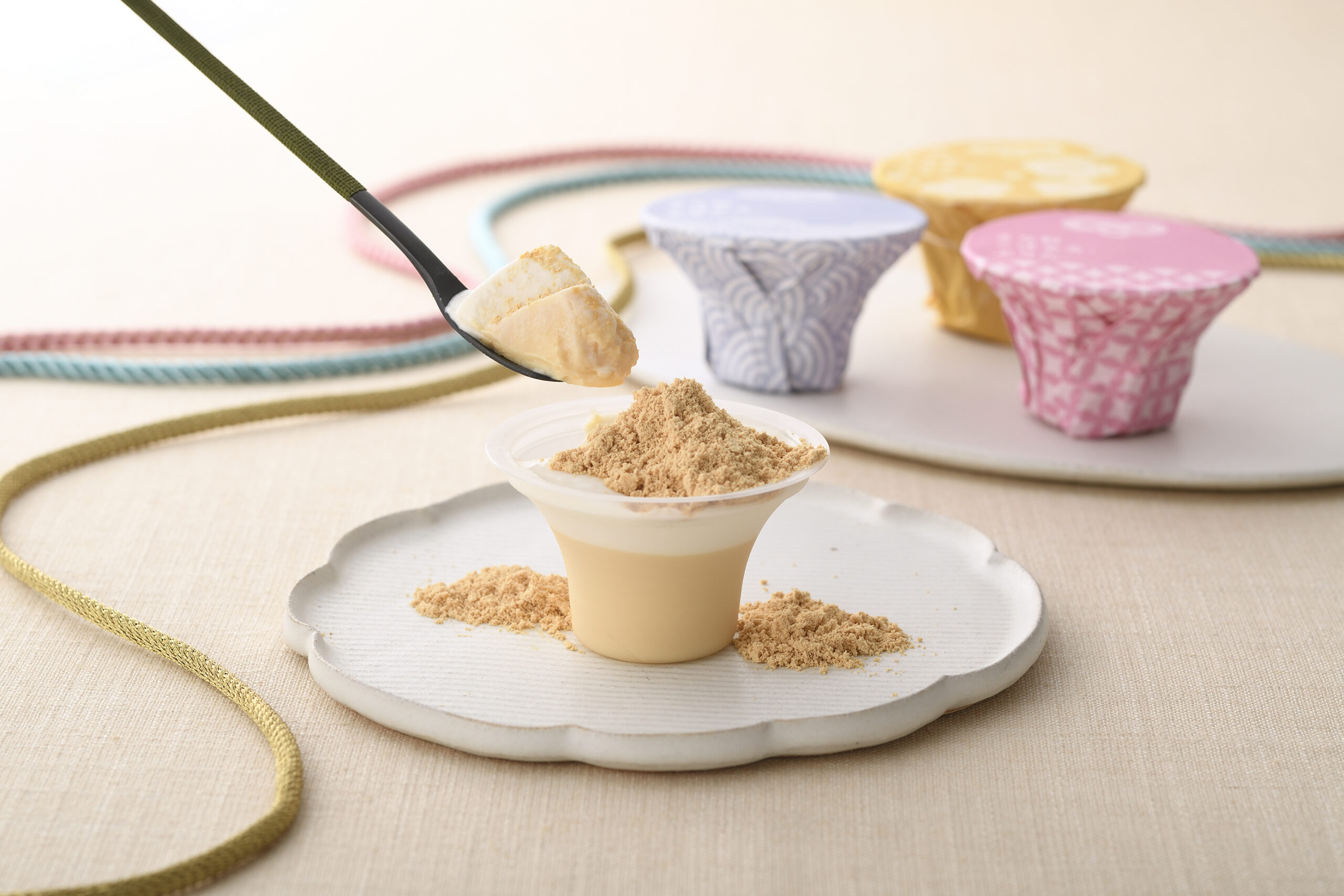
Takamiya Garden Saryo, Minami-ku, Fukuoka City, 18 Jul (Fri) – 11 Aug (Mon, national holiday) Summer event to feel cooler ‘Summer Lights – NATSU NO HI’ Reservations now being accepted.

The Takamiya Teien Saryo will hold its popular seasonal event “Summer Lights” from 18 July (Fri) to 11 August (Mon) 2025.A special dinner course, prepared exclusively for Summer Lights, featuring an abundance of seasonal fish and summer vegetables to bring out the coolness of summer. The meal finishes with shaved ice with matcha green tea, a summery treat. Please enjoy the dishes that gently add coolness to your summer evening in a relaxed atmosphere.

Hiroshima

Art

Simose Art Museum: “Ambient, Environment, Circumstances – The Topography of Contemporary Art”Interview Part II: Ryosuke Yoshimura, Kisei Takahashi, Mario Cristiani, and Stefano Pesce

Opened in 2023 in Otake City, Hiroshima Prefecture, the Simose Art Museum sits on the shores of the Seto Inland Sea, facing the sacred island of Itsukushima. Designed by globally acclaimed architect Shigeru Ban, the museum rose to international prominence when it was awarded the Versailles Prize in December 2024 as the ‘World’s Most Beautiful Museum,’ drawing significant global attention.

To commemorate this achievement, the museum launched its first-ever contemporary art exhibition, Ambient, Environment, Circumstances – The Topography of Contemporary Art, which runs from April 26 to July 21, 2025. Within just ten days of opening, the exhibition surpassed 10,000 visitors—a record-breaking turnout for the museum.

Featuring works by emerging artists born between 1980 and 2000, primarily from across Asia, this special exhibition marks a bold new chapter for the museum as it ventures into contemporary territory.

Following our previous interview, HYAKKEI continues its coverage with insights from Ryosuke Yoshimura, Representative Director of Simose Art Museum; Kisei Takahashi, Board Director of the museum; Mario Cristiani, co-founder of Italy’s leading gallery Galleria Continua; and Stefano Pesce, Advisor of the Mark Tobey Committee CMT.

Hiroshima

Art

Simose Art Museum: “Ambient, Environment, Circumstances – The Topography of Contemporary Art”Interview Part I: Chief Curator Keita Saito

Opened in 2023 in Otake City, Hiroshima Prefecture, the Simose Art Museum sits on the shores of the Seto Inland Sea, facing the sacred island of Itsukushima. Designed by globally acclaimed architect Shigeru Ban, the museum rose to international prominence when it was awarded the Versailles Prize in December 2024 as the ‘World’s Most Beautiful Museum,’ drawing significant global attention.

To commemorate this achievement, the museum launched its first-ever contemporary art exhibition, Ambient, Environment, Circumstances – The Topography of Contemporary Art, which runs from April 26 to July 21, 2025. Within just ten days of opening, the exhibition surpassed 10,000 visitors—a record-breaking turnout for the museum.

Featuring works by emerging artists born between 1980 and 2000, primarily from across Asia, this special exhibition marks a bold new chapter for the museum as it ventures into contemporary territory.

HYAKKEI visited the exhibition shortly after its opening and sat down with Chief Curator and artist Keita Saito for an in-depth interview. “I wanted this project to challenge the current condition of the Japanese art world,” Saito noted.

Pick Up

Pick Up